
SOP for Emergency & Fire Risk Mitigation to Enhance Security
30 January 2026
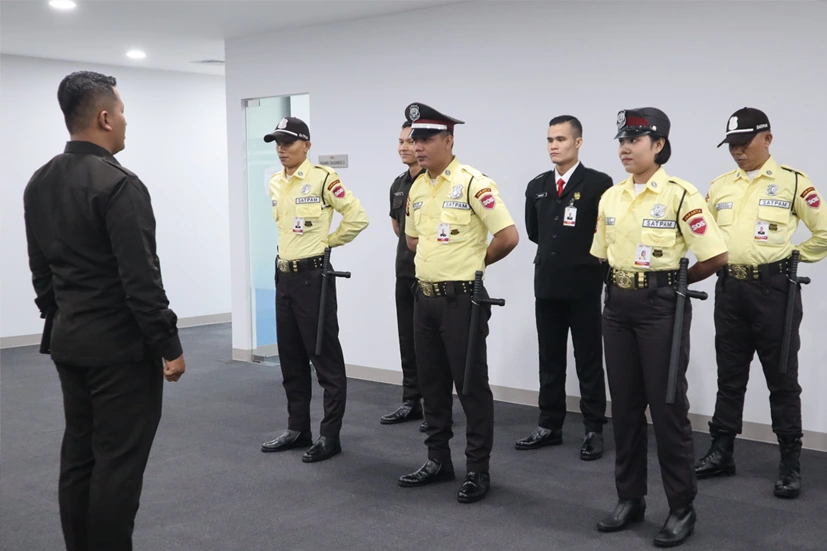
Risk mitigation is a strategic step that every company must understand and implement to ensure employee safety, protect assets, and maintain business continuity.
Therefore, developing a structured and standards-compliant Emergency SOP is a critical foundation of a company’s security system.
Let’s explore the complete discussion below!
Why Is Risk Mitigation Important for Companies?
Every business operation carries potential risks. Risk mitigation serves as a systematic approach to identifying, analyzing, and controlling risks so they do not escalate into major incidents.
Here are several reasons why risk mitigation is essential for companies.
1. Protecting Employee Safety
Risk mitigation helps minimize accidents and casualties during emergency situations. With clear emergency SOPs, employees have well-defined and coordinated guidance on how to act.
2. Safeguarding Company Assets and Facilities
Fire risks and other emergencies can cause significant damage to valuable assets. Effective risk mitigation helps reduce both physical and financial losses.
Read Also: Emergency Building Evacuation Procedures and Common Mistakes to Avoid
3. Ensuring Business Continuity
Disruptions caused by emergencies can halt operations for extended periods. Risk mitigation enables faster recovery and helps maintain business stability.
4. Complying with Safety Regulations
Implementing risk mitigation and emergency SOPs is part of a company’s compliance with applicable occupational safety regulations. This helps prevent legal issues and penalties.
5. Increasing Stakeholder Trust
Companies with robust risk mitigation systems are perceived as more professional and reliable by business partners, clients, and other stakeholders.
Key Components of an Emergency SOP
An emergency SOP is not merely an administrative document—it must function as an operational guideline that can be executed effectively.
Therefore, an emergency SOP should include the following key components:
1. Identification of Emergency Risks
Companies must map potential risks such as fires, workplace accidents, power failures, or other emergency conditions. This identification forms the basis for appropriate risk mitigation planning.
2. Clear Roles and Coordination Structure
The SOP should define responsibilities at every level, from management to employees. A clear coordination structure supports quick and accurate decision-making during emergencies.
3. Evacuation and Rescue Procedures
This component covers evacuation routes, assembly points, and rescue mechanisms for employees. Well-planned evacuation procedures are a crucial part of fire mitigation and emergency risk management.
4. Emergency Communication System
Effective communication is key to successful emergency response. The SOP must regulate internal and external communication flows, including alarm systems and incident reporting.
5. Regular Training and Simulations
Emergency SOPs must be supported by routine training and simulation drills to ensure employees understand procedures and can respond calmly during real emergencies.
Read Also: Building Alarm System: Types, Functions, & Recommendations
APAR Installation Standards in Fire Risk Mitigation SOPs
As part of fire risk mitigation, companies must ensure the availability and proper installation of Fire Extinguishers (APAR) according to standards.
These requirements are regulated under the Indonesian Minister of Manpower and Transmigration Regulation No. 4/MEN/1980, which governs APAR installation and maintenance for workplace safety.
Key APAR installation standards include:
-
APAR units must be placed in clearly visible locations for quick identification during a fire.
-
Fire extinguishers must be easily accessible and not obstructed by objects or equipment.
-
Each APAR must be equipped with a clear identification sign.
-
The APAR signage must be installed at a height of 125 cm from the floor, positioned directly above the extinguisher.
-
APAR placement must match the type and classification of fire risks to ensure effective fire suppression.
-
The distance between APAR units must not exceed 15 meters to ensure adequate coverage.
-
APAR cylinders should be red to ensure easy recognition as fire safety equipment.
Implementing these standards is a critical part of fire mitigation SOPs to enhance organizational preparedness against fire hazards.
Steps to Develop and Implement an Emergency Risk Mitigation SOP
To ensure effective implementation, companies must follow a systematic approach when developing emergency risk mitigation SOPs:
1. Risk Identification and Analysis
The initial stage involves identifying potential risks within the company environment. Each risk is analyzed based on its likelihood and impact on safety and operations.
2. Development of Risk Mitigation SOPs
Based on the analysis, companies develop emergency SOPs covering prevention, response, and recovery procedures. These SOPs must be tailored to actual on-site conditions.
Read Also: Guide to Building Security Systems & Trained Security Personnel
3. Implementation, Socialization, and Evaluation
Once developed, SOPs must be communicated to all employees and implemented consistently. Regular evaluations ensure the SOPs remain relevant and effective as risks evolve.
In applying emergency risk mitigation SOPs, companies must also ensure the support of trained security personnel.
Effective evacuation systems require officers capable of coordinating occupants, activating alarms, directing exit routes, and communicating swiftly with emergency response teams.
Strengthen Your Corporate Security System with Professional Private Security Services from SOS!
This is why partnering with a professional private security service is essential. SOS provides highly trained security personnel capable of handling emergency situations—from building evacuations and risk mitigation to crowd control management.
With trusted professionals on your side, you gain peace of mind while ensuring the safety of all building occupants.
Enhance your company’s security readiness today with private security services from SOS. Contact SOS now via WhatsApp and ensure your corporate security system operates professionally, systematically, and reliably.
More News
Implementing Security Technology to Protect Your Company
Ensure your company’s assets and workforce are protected with security technology implementation. Discover effective solutions and practical tips in this article!

Don’t Ignore Project Security! Tips to Protect Company Assets
Ensure your company’s project safety with professional project security services. Discover key reasons and effective strategies for maximum protection!

Complete & Latest Security Guard Equipment List
This is a complete and latest security guard equipment list to support company security. Get trusted security guard outsourcing services!