
Implementing Security Technology to Protect Your Company
01 February 2026
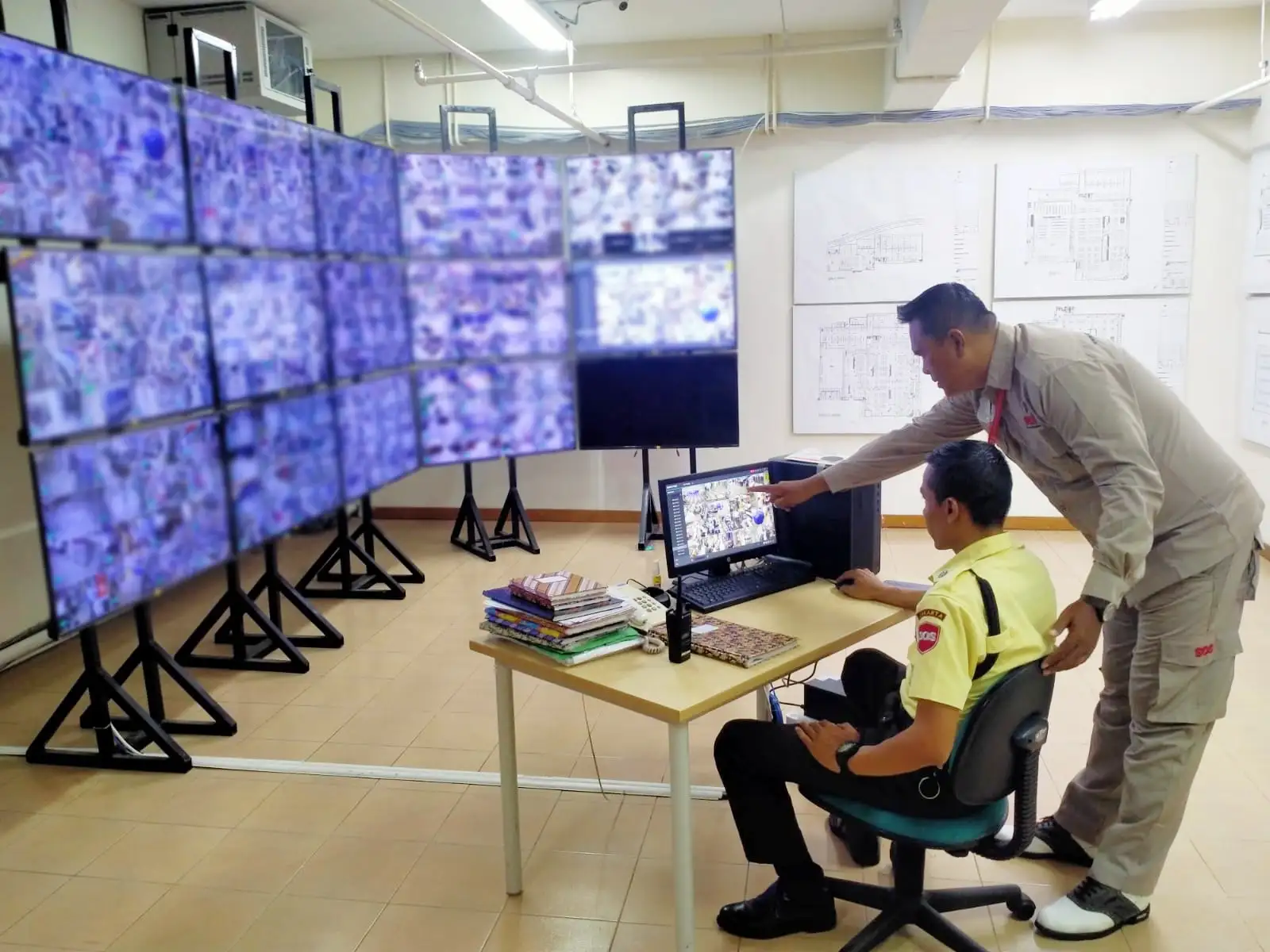
Has your company leveraged modern technology to protect its assets, employees, and daily operations? In today’s digital era, security technology implementation is no longer an option—it is a strategic necessity for every business.
This article discusses the types of security technologies, their application across different corporate environments, strategic implementation steps, and how professional security outsourcing can help optimize your company’s security system.
Let’s explore further below!
Commonly Used Security Technologies
In the modern corporate world, security technology has evolved rapidly. Some of the most commonly used solutions include:
-
CCTV and digital surveillance systems: Enable real-time monitoring across offices, factories, and warehouses.
-
Alarm systems and sensors: Door alarms, motion sensors, and fire detectors help identify threats early.
-
Access control systems: Restrict access to certain areas using ID cards, biometric systems, or digital applications.
-
IoT-based monitoring: Internet of Things (IoT) technology allows real-time and automated integration of security devices.
-
AI-powered security systems: Artificial intelligence detects suspicious behavior, analyzes risk patterns, and predicts potential threats.
-
Mobile and application integration: Provides instant notifications to management or security teams when incidents occur.
Read Also: 3 Levels of Security Guard Training & How to Choose the Right One
Security Technology Implementation Across Different Environments
Each business environment presents unique security challenges. Therefore, security technology implementation must be tailored to the specific needs of each location.
1. Security Technology Implementation for Offices
In office environments, the primary focus is protecting data, digital assets, and employee safety. Effective solutions include:
-
Digital access control for restricted areas
-
Indoor CCTV for monitoring workspaces, lobbies, and public areas
-
Fire alarms and smoke detectors to ensure employee safety.
2. Security Technology Implementation for Factories
Factories involve more complex risks due to machinery, production processes, and valuable materials. Common implementations include:
-
Surveillance systems for production areas to prevent theft or operational disruptions
-
Fire and gas sensors to protect staff from hazardous conditions
-
IoT-based monitoring of equipment and machinery for early detection of malfunctions.
3. Security Technology Implementation for Warehouses
Warehouses serve as storage and logistics hubs, making security a top priority:
-
Indoor and outdoor CCTV covering all entry and exit points
-
Access control systems to ensure only authorized personnel can enter
-
Anti-theft alarm systems to protect inventory and stored goods.
Read Also: Example of Security Guard KPI and Security Performance Indicators
Strategic Steps for Implementing Security Technology
To ensure effective security systems, companies should follow these strategic steps:
1. Risk and Security Needs Assessment
Identify critical areas, potential threats, and the most vulnerable assets. This assessment forms the foundation for selecting appropriate security technologies.
2. Selecting the Right Technology
Choose security solutions that align with your environment—office, factory, or warehouse—while considering budget and operational requirements.
3. Integration with Security SOPs
Ensure all technology systems are integrated with security project SOPs or company security procedures, allowing consistent and well-documented processes.
4. System Installation and Implementation
Professional installation is essential to ensure optimal performance. Initial testing is crucial to verify that all systems operate as intended.
5. Training Staff to Operate Security Systems
Provide training for internal teams or security guards so they can effectively operate alarms, access control systems, CCTV, and monitoring applications.
6. Ongoing Monitoring and Evaluation
Conduct regular audits to evaluate system effectiveness. Continuous improvement and technology upgrades are necessary to address evolving risks.
Read Also: 10 Standard Operating Procedures for Security Guards
7. Using Professional Security Outsourcing Services
If your company prefers to focus on core operations, entrust security management to a professional security outsourcing provider. Certified security personnel ensure that security technology is used optimally.
Entrust Your Company’s Security to SOS Professional Security Outsourcing!
SOS security outsourcing provides professional solutions for office, factory, and warehouse security needs.
All personnel are certified by the Indonesian National Police and have completed specialized training, enabling them to operate advanced security technologies effectively.
SOS delivers efficient and reliable security solutions to protect assets and ensure a safe working environment for all stakeholders. With experience across various industries, our team offers tailored security solutions to meet your company’s specific needs.
Contact SOS via WhatsApp today and ensure your project or business is protected by professional security personnel skilled in modern security technology implementation!
More News
Guide to Choosing the Right Office General Cleaning Service
Looking for a trusted office general cleaning service? Discover tips on choosing the right professional office cleaning service for your company in this article!
Building Maintenance Strategies to Maintain Cleanliness Standards
Professional building maintenance to maintain the cleanliness, safety, and performance of your company facilities. Discover the solution here.

Strategies to Manage Office Building Maintenance Costs Efficiently
Did you know there are smart strategies to manage office building maintenance costs? Not only can you improve efficiency, but you can also keep your office comfortable to use. Learn more here!