
Building Alarm System: Types, Functions, & Recommendations
31 December 2025
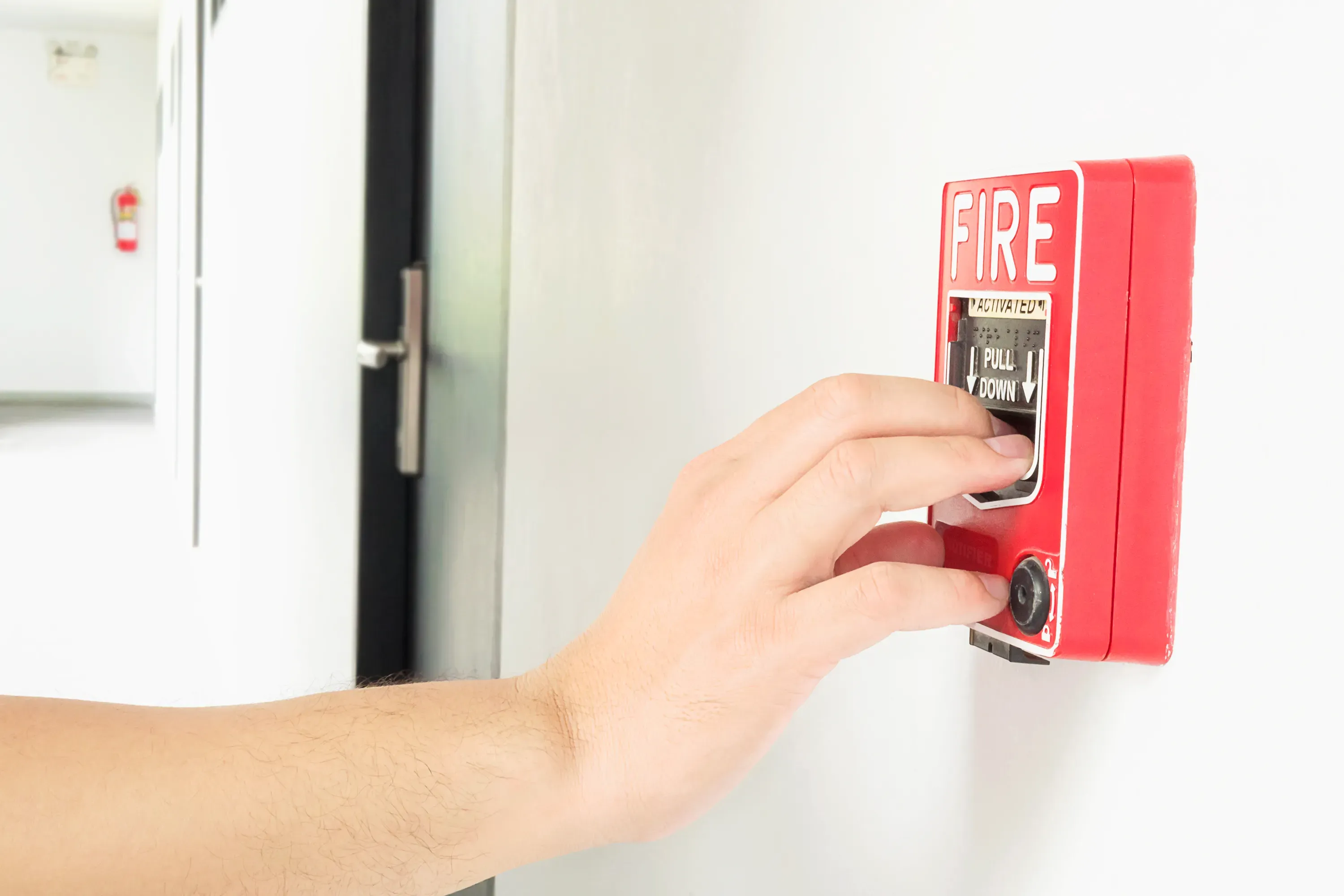
Have you ever imagined how a single emergency situation could disrupt all activities inside a building? In such conditions, the speed of warning and the accuracy of response become key factors in preventing risks from escalating into major losses. This is where a building alarm system plays a critical role.
Through this article, you will gain a clear understanding of the different types of building alarm systems, why they are essential for every building, and important factors to consider before choosing the right solution. Let’s explore the details below.
Read Also: 7 Tips for Choosing the Right Company Security System
Types of Building Alarm Systems
In practice, a building alarm system is not a single standalone device. It is an integrated system designed to respond to various risks. So, what types of building alarm systems are commonly used? Here is a complete explanation:
1. Fire System
A fire system is the most common type of building alarm system and is often a mandatory standard for commercial and public buildings. This system is designed to detect potential fires at an early stage, even before flames spread and cause serious damage.
Fire systems operate using smoke detectors, heat detectors, and manual call points installed at strategic locations. When smoke or abnormal temperature increases are detected, the alarm is automatically activated.
More advanced fire systems are typically integrated with other safety components such as sprinklers, emergency door controls, and notifications to a central control room. This means that once the alarm is triggered, the system actively helps minimize risk, not merely providing a warning signal.
2. Intrusion Detection System
Not all threats come in the form of fire. In many buildings—especially offices and commercial facilities—the risk of unauthorized access or intrusion is a serious concern. This is where an intrusion detection system becomes essential.
This system is designed to detect suspicious movement in restricted or secured areas. Motion sensors, door and window sensors, and glass break sensors are the main components. When unusual activity is detected, the alarm is triggered and a signal is sent to the monitoring center.
The main advantage of an intrusion detection system lies in its preventive capability. It helps prevent losses before they occur, whether in the form of asset theft, operational disruption, or risks to employee safety.
3. Security Alarm System
A security alarm system serves as an umbrella solution that integrates multiple building protection aspects. Rather than focusing on a single threat, this system combines fire systems, intrusion detection, and other security elements into one centralized platform.
Through a security alarm system, building management can monitor conditions in real time from a control room. Every alert is recorded, analyzed, and can be responded to quickly. The system also allows customized scenarios, such as different responses during working hours and after business hours.
In this way, a security alarm system helps create a well-managed and controlled environment—perfectly aligned with the needs of modern buildings that demand reliability, accuracy, and ease of management in one integrated solution.
Read Also: Guide to Building Security Systems & Trained Security Personnel
Why Every Building Needs an Alarm System?
You may wonder, “Is a building alarm system really that important?” The answer is yes. Here are several fundamental reasons why this system is no longer optional, but a necessity:
1. Protecting Human Safety
Safety should always be the top priority. A building alarm system functions as an early warning that provides valuable time for occupants to take action.
In emergency situations, even a few seconds can determine the safety of many people. With a clear and responsive alarm, evacuation can be carried out in an orderly and guided manner. Panic can be reduced, and the risk of injury minimized.
2. Preventing Greater Losses
Losses caused by incidents are not only physical but also financial and reputational. An alarm system helps detect issues at an early stage, allowing damage to be contained before it spreads further. This preventive approach helps maintain operational continuity and avoid much higher recovery costs.
3. Supporting Regulatory Compliance
Many building safety regulations and standards require the installation of a building alarm system. Meeting these requirements is not just about legal compliance, but also reflects the building owner’s responsibility toward occupants and visitors.
4. Enhancing Security and Trust
Have you ever felt more comfortable working in a building with a clearly maintained security system? The same sense of safety is experienced by employees, visitors, and business partners. This feeling of security directly impacts productivity and trust. A safe environment fosters a more focused and comfortable workplace.
5. Simplifying Overall Building Management
Modern building alarm systems are designed to support efficient management. Centralized data and notifications make decision-making and coordination among security teams easier. With an integrated system, building managers no longer need to rely on manual monitoring that is prone to error. Everything becomes more structured and controlled.
Things to Consider Before Choosing a Building Alarm System
Selecting a building alarm system should never be done hastily. There are several important aspects to consider to ensure the chosen solution truly meets your needs.
First, understand your building’s characteristics. Each building has different functions, sizes, and risk levels. Office buildings, hospitals, and shopping centers certainly require different approaches.
Second, pay attention to system integration. A reliable alarm system should be able to connect with other security devices such as CCTV, access control systems, and a central monitoring center. This integration simplifies management and enhances response effectiveness.
Key points to consider include:
-
Compliance with applicable safety standards and regulations
-
Ease of use and clarity of notifications
-
Device reliability and long-term maintenance support
-
System flexibility for future expansion
Read Also: Security Guard Actions During Building Fire According to SOP
SOS Provides Reliable and Advanced Building Alarm Solutions for Maximum Protection
Building management is not only about facilities—it is also about the responsibility to protect many lives at once. Have you ever felt overwhelmed by daily operational tasks while still needing to ensure that your building remains safe?
This is exactly why you need a building alarm system. As a security solution provider that prioritizes reliability, system robustness, and a strong commitment to safety, SOS is here to support you. We provide advanced corporate alarm systems with professional implementation to ensure maximum protection for every building.
With systematically designed and trusted protection, SOS alarm systems help create a secure environment that meets the highest standards. Implementing a reliable security system in your building also helps maintain the trust of all stakeholders.
To ensure a dependable, trusted, and customized solution for your building, contact SOS today!
More News

Rodent & Termite Pest Control SOP for Building Protection
Prevent the risk of damage caused by rodents and termites with a proper pest control SOP. SOS provides professional services to maintain safe environments.

Lawn Mowing Service Prices for Offices: A Professional Solution for Well-Maintained Green Areas
Want your office green area to look neat and professional? Discover office lawn mowing service prices from SOS, supported by skilled professionals, modern equipment, and safe work standards.

Building Landscape Garden Maintenance Services
Leverage professional building landscape garden maintenance services to create a green and comfortable work environment. A reliable solution for well-maintained office gardens.