
Rodent & Termite Pest Control SOP for Building Protection
04 February 2026
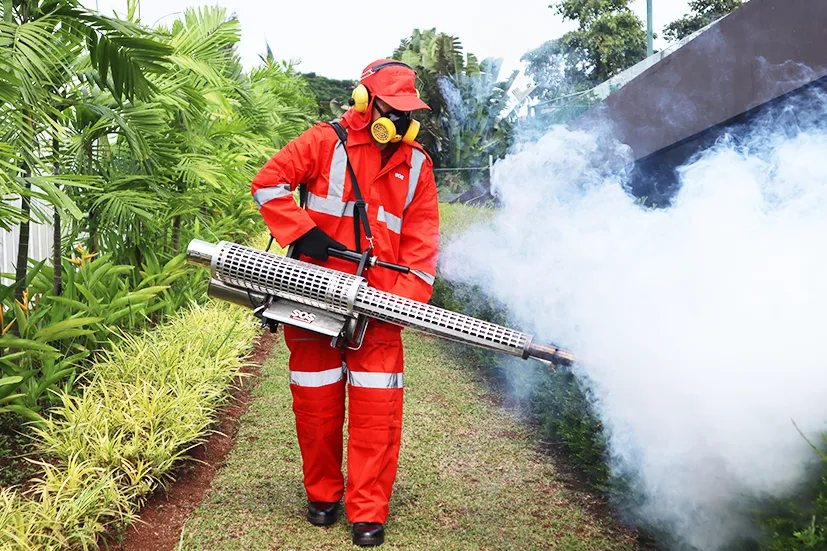
The presence of pests such as rodents and termites is not merely a cleanliness issue—it can also lead to operational losses, asset damage, and serious health risks. In business environments ranging from offices and hotels to production facilities and warehouses, pest control is a critical component of facility management systems.
Therefore, implementing a structured pest control SOP is a strategic step to ensure a safe, hygienic workplace that complies with operational standards. This article outlines professional procedures for rodent and termite pest control, including the role of professional pest control services in supporting sustainable business operations.
Why Rodent and Termite Pest Control Is Essential?
Rodents are known carriers of various diseases and can damage electrical installations, documents, and stored goods. Meanwhile, termites work silently, gradually destroying wooden structures and building components—often only detected once the damage becomes severe.
Without proper pest control, businesses may face the following risks:
-
Decline in hygiene and sanitation standards
-
Damage to building assets and interiors
-
Disruption to daily operations
-
Long-term financial losses
-
Decreased trust from customers and employees
These risks highlight the importance of having a clear, consistent pest control SOP executed by trained professionals.
Read Also: 7 Most Destructive Building Pests, Beware!
Stages of the Rodent & Termite Pest Control SOP
A pest control SOP is designed to ensure that every process is systematic, safe, and effective. Generally, it includes the following key stages:
1. Initial Inspection and Risk Area Identification
The process begins with a comprehensive site inspection to identify pest types, infestation levels, and high-risk areas such as storage rooms, ceilings, drainage systems, production zones, and building structures.
The inspection results serve as the foundation for developing a targeted rodent and termite control strategy tailored to site conditions.
2. Development of a Pest Control Plan
Based on inspection findings, professional teams develop a control plan that includes treatment methods, materials used, implementation schedules, and preventive measures. This ensures each location receives a precise and effective solution rather than a generic approach.
3. Implementation of Pest Control Measures
This stage includes installing rodent traps, placing bait stations, applying termiticides, and treating structural areas vulnerable to termite activity. All actions are carried out with strict attention to the safety of building occupants, employees, and the surrounding environment.
Professional pest control services typically apply Integrated Pest Management (IPM) principles—combining physical, chemical, and preventive methods for sustainable results.
4. Routine Monitoring and Evaluation
Pest control is not a one-time activity. Regular monitoring is conducted to evaluate treatment effectiveness, detect potential reinfestation, and adjust strategies when necessary.
Periodic reports are usually included as part of the SOP, allowing management to monitor site conditions transparently.
5. Education and Preventive Measures
The final stage involves providing preventive recommendations, such as improved waste management, sealing building gaps, and proper storage practices. Education plays a crucial role in maintaining long-term pest control effectiveness.
Read Also: 6 Pest Control Skills to Maintain a Pest-Free Environment
The Role of Professional Pest Control Services
Using professional pest control services offers significant advantages for businesses. Treatments are handled by trained specialists and follow established safety standards and operational procedures.
Key benefits include:
-
Measured and well-documented control methods
-
Safe and regulation-compliant pest control materials
-
Preventive approaches to reduce reinfestation risk
-
Regular reports and evaluations as part of the SOP
This approach helps companies maintain a high-quality work environment without disrupting daily operations.
Pest Control Service Pricing Overview
Pest control service pricing varies depending on several factors, including area size, infestation severity, pest type, and treatment methods. For rodent and termite control, costs typically also account for routine monitoring and long-term prevention programs.
Rather than focusing solely on price, businesses are encouraged to consider overall service value—such as SOP quality, provider experience, reporting support, and after-service reliability.
Read Also: 6 Benefits of Pest Control for the Work Environment
Maintaining a Safe and Productive Business Environment
A consistently implemented pest control SOP is a valuable investment in business sustainability. With the right procedures, risks related to asset damage, operational disruption, and health issues can be minimized early on.
SOS delivers pest control solutions tailored to the needs of various industries, supported by professional personnel and proven operational standards. From inspection to ongoing monitoring, SOS helps create safer, more hygienic, and more productive workplaces.
To learn more about rodent and termite pest control programs suitable for your facility, contact the SOS team to discover the most effective and sustainable solution.
More News
Guide to Choosing the Right Office General Cleaning Service
Looking for a trusted office general cleaning service? Discover tips on choosing the right professional office cleaning service for your company in this article!
Building Maintenance Strategies to Maintain Cleanliness Standards
Professional building maintenance to maintain the cleanliness, safety, and performance of your company facilities. Discover the solution here.

Strategies to Manage Office Building Maintenance Costs Efficiently
Did you know there are smart strategies to manage office building maintenance costs? Not only can you improve efficiency, but you can also keep your office comfortable to use. Learn more here!