
Building Maintenance Strategies to Maintain Cleanliness Standards
04 March 2026
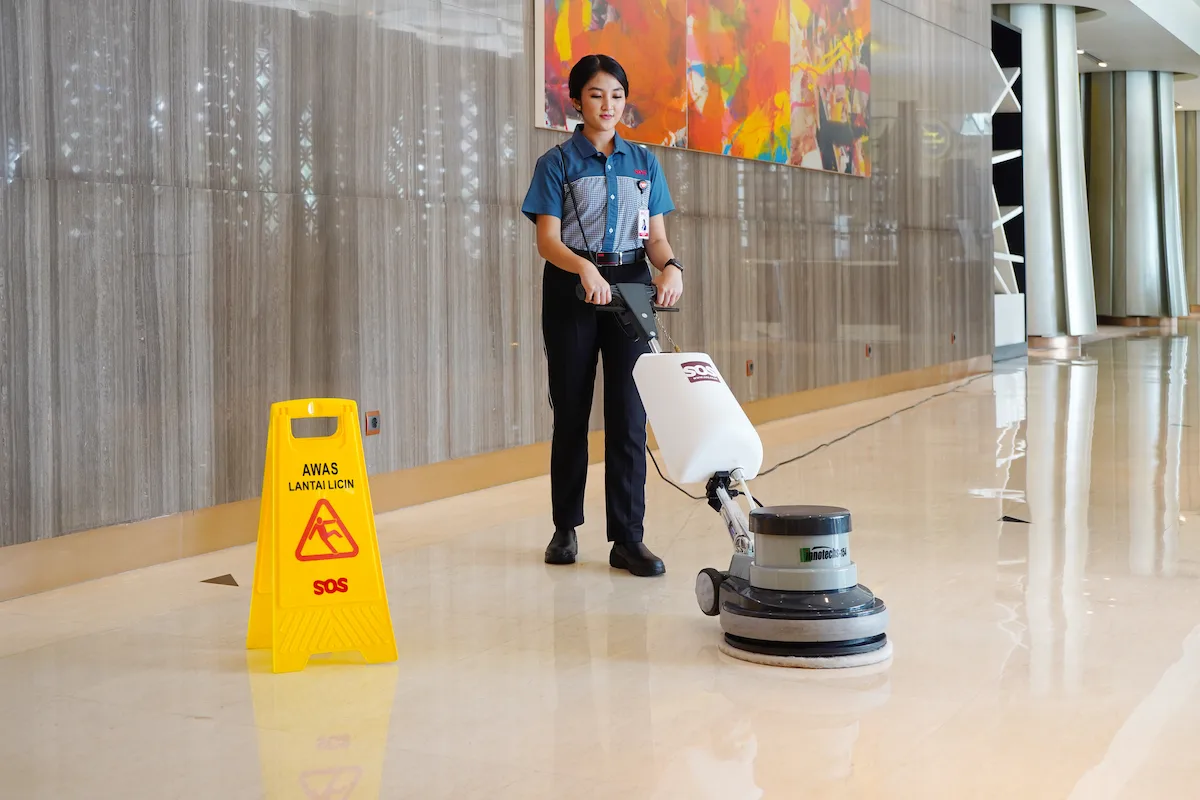
Building maintenance is a crucial part of sustainable corporate facility management. Through a well-planned and structured building maintenance system, you can ensure that all work areas remain safe, clean, and functioning optimally.
Beyond maintaining the physical condition of the building, proper maintenance also plays a key role in upholding cleanliness standards, enhancing employee comfort, and strengthening the company’s professional image in the eyes of clients and business partners. Let’s explore further below!
The Importance of Optimal Building Maintenance for Companies
Building management is not merely about fixing damage when problems arise. Optimal building maintenance requires a preventive and systematic approach so that all company facilities can fully support operations.
Here are several reasons why building maintenance is essential for companies:
1. Maintaining Facility Function and Performance
Every building is supported by various systems such as electricity, HVAC, plumbing, elevators, and security systems. Without routine maintenance, the performance of these systems may decline and disrupt operations.
With scheduled building maintenance, you can ensure that all facilities operate according to standards and minimize the risk of unexpected disruptions.
Read Also: High-Rise Glass Cleaning Services — Are They Necessary? How to Choose the Right One?
2. Supporting Workplace Cleanliness Standards
Cleanliness is a key indicator of corporate professionalism. Integrating building maintenance with professional building cleaning services ensures that every area—from lobbies and workspaces to public areas—remains consistently clean.
A clean and hygienic environment also fosters a more comfortable and productive workplace.
3. Reducing the Risk of Major Damage
Minor issues that are not addressed promptly can escalate into serious problems. For example, a small plumbing leak can damage building structures if left untreated.
Optimal maintenance helps detect potential issues early, reducing repair costs significantly.
4. Improving Safety and Security
Poorly maintained systems can lead to workplace accidents, such as electrical short circuits or slippery floors caused by leaks. Routine monitoring minimizes such risks.
The safety of employees and visitors is a top priority in professional facility management.
5. Preserving Reputation and Client Trust
A clean and well-maintained building creates a positive impression on every visitor. Clients often assess your company’s credibility based on the condition of the facilities they see.
Optimal building maintenance is part of a long-term reputation-building strategy.
Read Also: 11 Differences Between Deep Cleaning and General Cleaning You Must Know
Types of Building Maintenance That Should Be Implemented
Companies should apply several types of building maintenance in an integrated manner to ensure comprehensive facility management.
1. Routine Maintenance
Routine maintenance is conducted periodically according to a predetermined schedule. It includes light inspections, system cleaning, and checking building components.
Routine maintenance helps maintain operational stability and prevent performance decline.
2. Preventive Maintenance
Preventive maintenance aims to prevent damage before it occurs. Technical teams conduct in-depth inspections of essential systems such as electrical, HVAC, and plumbing installations.
This proactive approach reduces the likelihood of major disruptions to business activities.
3. Corrective Maintenance
Corrective maintenance is performed when damage or system malfunctions are detected. Repairs are carried out to restore system functionality.
Although reactive in nature, corrective maintenance must follow standardized procedures to ensure optimal results.
4. Emergency Maintenance
Emergency maintenance is required when urgent issues occur, such as power outages, major leaks, or elevator breakdowns. Quick response is essential to minimize operational impact.
An effective emergency maintenance system must be supported by professional personnel and clear safety procedures.
Building Cleanliness Standards
Key aspects of building cleanliness standards include:
-
Clean work areas such as desks, floors, and office equipment free from dust and debris
-
Regular sanitation and disinfection of restrooms and public areas
-
Cleaning of glass surfaces, walls, and ceilings to maintain a professional appearance
-
Organized and systematic waste management
-
Pest control to prevent health hazards and facility damage
-
Proper indoor air quality through maintenance of ventilation and HVAC systems
Risks of Poorly Managed Building Maintenance
Without a structured building maintenance system, companies may face serious risks, including:
-
Declining workplace cleanliness standards
-
Sudden facility breakdowns
-
Operational disruptions and business downtime
-
Increased workplace accident risks
-
Escalating repair costs
-
Damage to corporate image and reputation
Building Maintenance Strategies to Maintain Cleanliness Standards
Effective building maintenance must be integrated with a professional cleaning system. Cleanliness standards cannot be achieved through occasional cleaning, but require a comprehensive strategy.
Here are several strategies you can implement:
1. Develop Standardized SOPs for Cleaning and Maintenance
Standard Operating Procedures (SOPs) ensure that every activity follows clear guidelines. SOPs include cleaning schedules, technical inspections, and workplace safety procedures.
A structured system guarantees consistent cleanliness and maintenance quality.
2. Integrate Technical Teams with Professional Cleaning Services
Collaboration between technical teams and building cleaning services is crucial. For example, cleaning machine rooms or electrical panel areas requires proper coordination to avoid technical disruption.
This integration ensures that both technical and cleanliness aspects run harmoniously.
3. Utilize Modern Equipment and Methods
Modern cleaning technologies such as scrubber machines, industrial vacuums, and digital monitoring systems enhance efficiency.
The right methods not only speed up processes but also deliver higher hygiene standards.
Read Also: 6 Pest Control Skills to Maintain a Pest-Free Environment
4. Conduct Regular Audits and Evaluations
Routine audits help companies assess the effectiveness of their building maintenance programs. If gaps are identified, strategies can be adjusted accordingly.
This ensures cleanliness standards and facility performance remain aligned with company targets.
5. Rely on Professional and Trained Personnel
Maintenance quality is heavily influenced by workforce competence. Trained personnel understand safety procedures, proper cleaning techniques, and facility operational standards.
With professional support, work errors are minimized and results are maximized.
Create a Clean and Well-Maintained Building to Support Company Productivity with SOS
If you want to ensure your building maintenance runs effectively while maintaining high cleanliness standards, partnering with a professional provider is the right solution.
SOS offers professional Jakarta outsourcing cleaning services and pest control solutions to maintain cleanliness, comfort, and workplace health.
Supported by trained personnel, modern methods, and efficient standardized systems, SOS provides integrated solutions for office and corporate building needs.
These services help reduce damage risks, maintain hygiene, and ensure facilities are always ready for business activities and important corporate events.
Don’t let facility management become an operational obstacle.
Contact SOS today for professional, efficient, and tailored office and building cleaning service solutions that meet your company’s needs.
More News
Guide to Choosing the Right Office General Cleaning Service
Looking for a trusted office general cleaning service? Discover tips on choosing the right professional office cleaning service for your company in this article!
Strategies to Manage Office Building Maintenance Costs Efficiently
Did you know there are smart strategies to manage office building maintenance costs? Not only can you improve efficiency, but you can also keep your office comfortable to use. Learn more here!
Building Maintenance Services: A Smart Solution for Corporate Facility Management
Professional building maintenance services to maintain the safety, cleanliness, and comfort of your company facilities. Read the SOS article now!