
The Importance of Building Security Standards for Your Company
19 November 2025
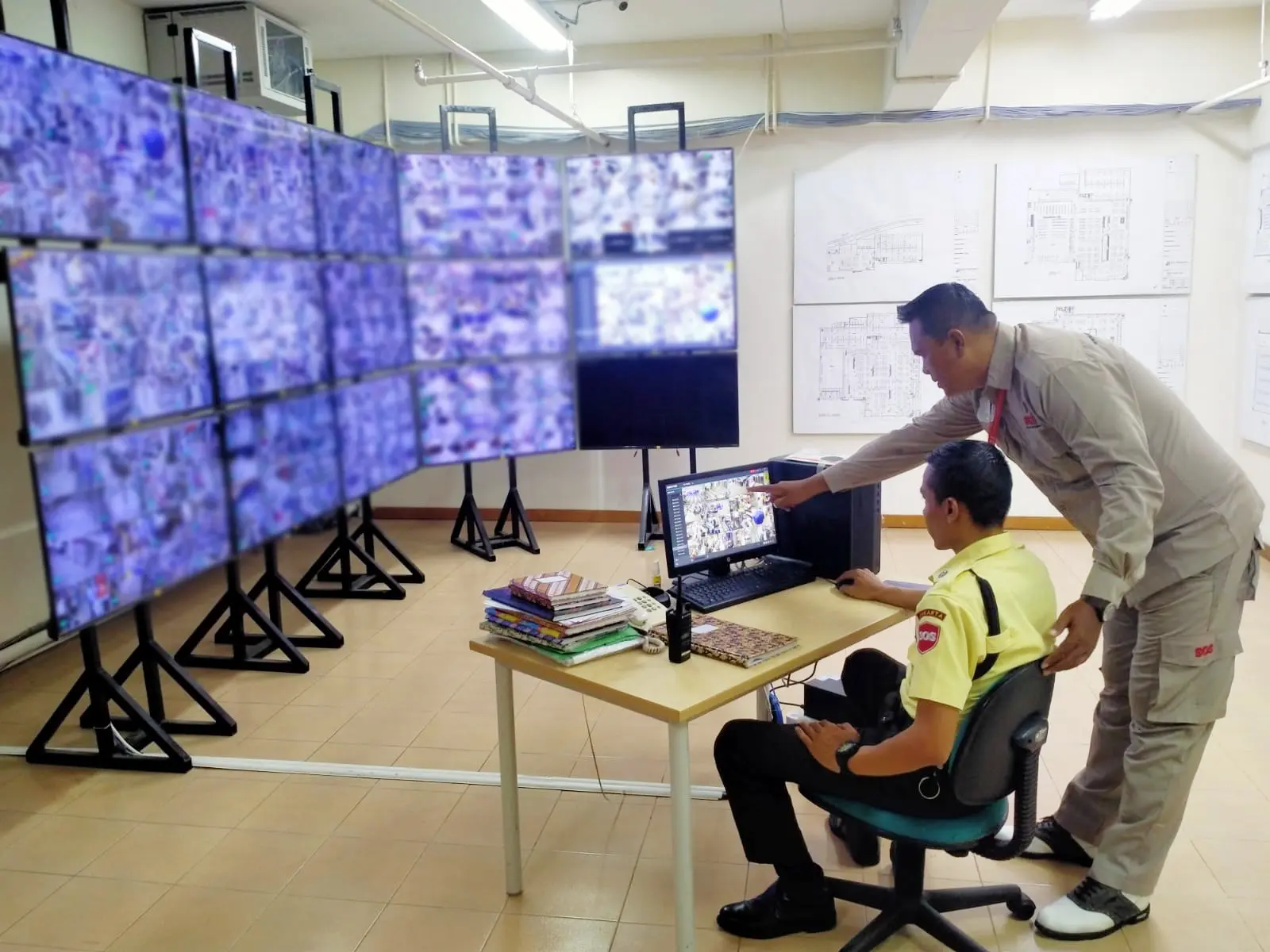
In today’s modern era, building security standards are no longer just administrative requirements—they have become an essential part of a company’s risk management system.
A secure building not only protects valuable assets but also ensures the safety of everyone inside, including all Human Resources (HR).
From advanced technology implementation to the presence of trained security personnel, every element must work together to create a comprehensive security ecosystem.
If your company does not yet have adequate building security standards in place, let’s explore everything you need to know below!
Why Building Security Standards Matter
Implementing building security standards is crucial to ensure your workplace or public facility has an effective and compliant protection system.
Beyond reducing crime and accident risks, these standards also build a sense of safety for all employees.
Based on regulations such as the Indonesian Ministry of Public Works and Housing (PUPR) Regulation No. 14 of 2017 on Building Accessibility Requirements and Ministry of Home Affairs Regulation No. 26 of 2009 on Technical Guidelines for Government Building and Installation Security Management, building managers must implement a security system that includes:
-
Fire prevention and suppression
-
Access control and CCTV monitoring
-
Early warning systems
-
Layered asset protection and occupant safety.
Read Also: Tugas Divisi Keamanan: Jaga Aset Hingga Cegah Kerugian
Key Components of Essential Building Security Standards
Each building—commercial, industrial, or governmental—has its own characteristics.
However, several essential elements must be implemented to ensure safety and security.
1. Surveillance and Access Control System
A comprehensive surveillance system is the foundation of building security.
Using AI-powered CCTV, biometric access control, and visitor management systems helps detect suspicious activities quickly.
These technologies enable real-time monitoring and allow security teams to respond swiftly to potential threats.
2. Fire Prevention and Suppression
Fire is one of the biggest risks in building management.
Mandatory standards based on SNI 03-1735:2000 require smoke detectors, automatic alarms, and clear evacuation routes.
Emergency response training for building occupants is equally important so everyone knows how to act during critical situations.
3. Professional and Trained Security Personnel
Building security cannot function optimally without competent security officers.
As the frontline defenders, they help maintain order and enforce safety procedures.
Security personnel should have official certifications proving their capability to identify risks, conduct effective patrols, and handle emergencies according to SOPs.
4. Integrated Security System with Digital Technology
Modern standards demand that all security systems operate in an integrated manner.
This integration not only improves monitoring efficiency but also provides analytical data for periodic evaluations.
Studies indicate that smart building technology significantly reduces security incidents, although exact numbers vary across properties.
5. Regular Security Audits and Evaluations
Building security goes beyond installing equipment.
Routine security audits are needed to ensure systems continue performing optimally.
This includes physical inspections, retraining of security staff, and emergency simulations.
With consistent evaluations, potential risks can be minimized before they escalate into major losses.
Read Also: Security Training: An Effective Way to Improve Safety Performance
Challenges in Implementing Modern Building Security Standards
Despite their importance, implementing building security standards often comes with challenges.
From limited skilled personnel to adapting to new technologies, these issues must be managed properly for the system to function effectively.
Here are some of the main challenges:
1. Limited Certified Security Personnel
Not all security officers have the technical capabilities needed for modern security systems.
This can reduce the effectiveness of surveillance, especially in high-traffic buildings.
Collaborating with licensed security vendors or outsourcing companies can help ensure the availability of qualified personnel.
2. Lack of Technology Integration
Although security technology has grown rapidly, many buildings still rely on conventional systems without device integration.
Non-integrated systems are vulnerable to coordination errors and slow responses.
Centralized digital security systems are becoming the new standard for modern building operations.
3. Implementation and Maintenance Costs
Cost is often a major barrier in building a proper security system.
The good news is that companies can now partner with professional security outsourcing providers who already have full infrastructure in place—making overall spending more efficient without compromising quality.
You can find similar solutions through professional outsourcing providers in Jakarta, offering high-quality operational efficiency and trained personnel.
4. Lack of Awareness and Training Among Employees
Security standards are not solely the responsibility of security officers—it’s a shared responsibility.
Without awareness and regular staff training, security systems cannot function effectively.
For this reason, education and periodic training programs must be part of a sustainable building safety strategy.
Read Also: 7 Tips for Choosing the Right Company Security System
Keeping a building secure is not just about technology and systems—it’s also about the people who operate them.
With certified, experienced security personnel equipped with continuous training, SOS is ready to help you implement measurable and professional building security standards.
Entrust Your Building Security to SOS Professional Security Personnel Today!
SOS is a trusted partner in maintaining building safety.
Through our professional security services, SOS ensures every area is protected with strict monitoring and operational systems that follow national standards.
SOS offers:
-
Security and guard services
-
Alarm system solutions
-
Certified security personnel
-
Security system consultation
-
Sector-specific expertise
If you have questions about security vendors, contact SOS today for an integrated and reliable security solution.
Now is the time to protect your assets, employees, and business reputation with dependable, efficient, and high-quality security support from SOS!
More News
Guide to Choosing the Right Office General Cleaning Service
Looking for a trusted office general cleaning service? Discover tips on choosing the right professional office cleaning service for your company in this article!
Building Maintenance Strategies to Maintain Cleanliness Standards
Professional building maintenance to maintain the cleanliness, safety, and performance of your company facilities. Discover the solution here.
Strategies to Manage Office Building Maintenance Costs Efficiently
Did you know there are smart strategies to manage office building maintenance costs? Not only can you improve efficiency, but you can also keep your office comfortable to use. Learn more here!