
Understand the Container Fumigation Process and Apply It for Safer Export Shipments
31 December 2025
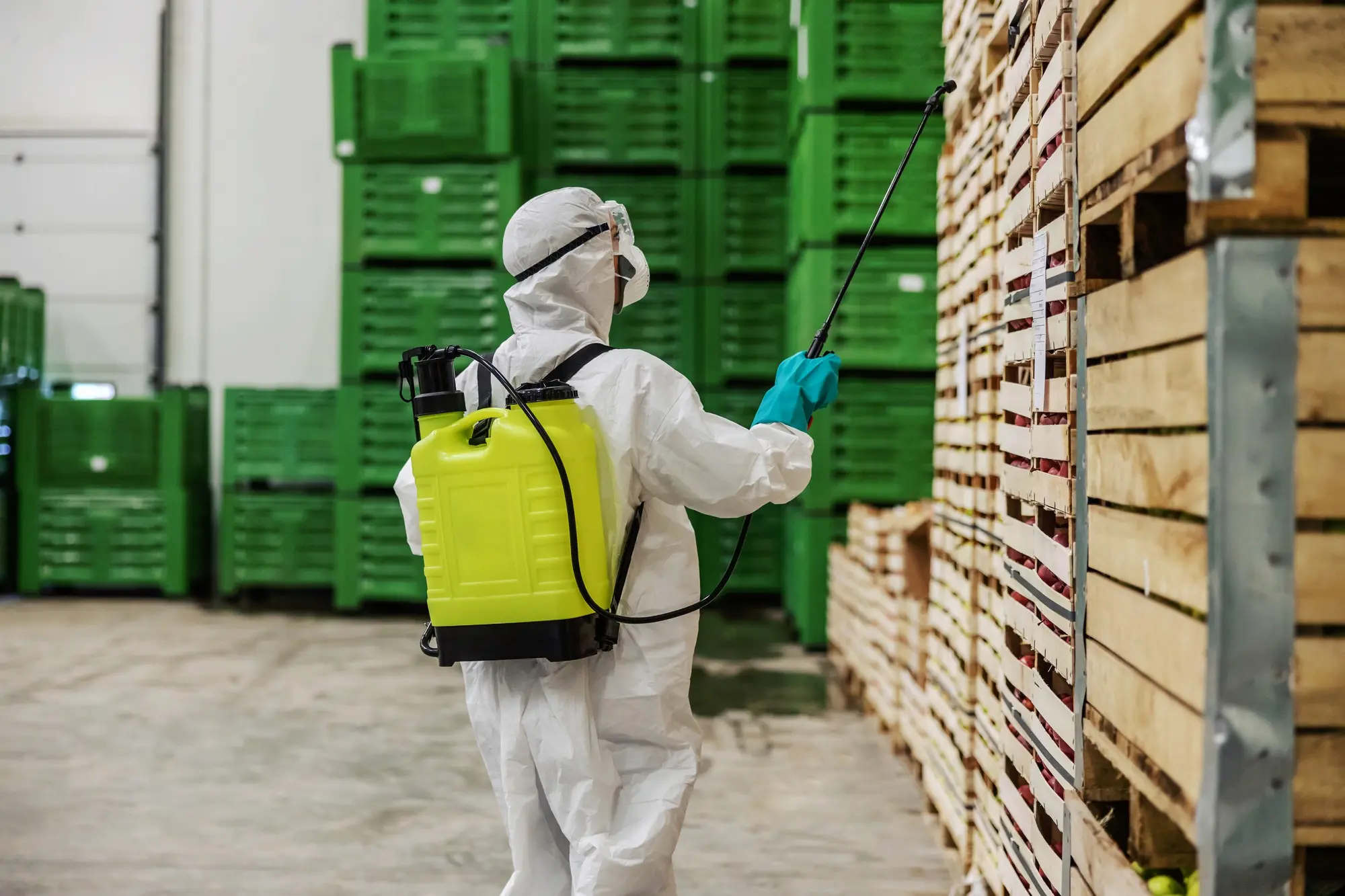
The container fumigation process is a crucial stage in goods transportation, especially for export activities and interregional distribution.
This process aims to prevent the spread of pests that can damage cargo or violate regulations in destination countries.
For companies operating in logistics, manufacturing, or international trade, understanding the container fumigation process is an essential part of shipment risk management.
To ensure this process is carried out according to standards, many companies rely on facility management and pest control through outsourcing services in Jakarta that offer structured procedures and supervision.
Purpose of Container Fumigation Before Shipment
The container fumigation process is conducted to ensure containers are free from pests such as insects, larvae, or microorganisms that may be transported to other regions.
This step is important to protect product quality during transit and to comply with quarantine requirements in destination countries.
In addition, fumigation helps companies avoid risks such as cargo rejection, penalties, or shipment delays.
Read Also: 12 Must-Have Cleaning Service Tools for Professional Cleanliness
The Role of Container Fumigation in the Logistics and Shipping Chain
In the logistics chain, fumigation does not stand alone but is integrated with other shipping stages. These include:
1. Initial Container Condition Inspection
The process begins with a physical inspection of the container. This inspection ensures there is no damage or initial contamination. Based on the findings, the appropriate fumigation method can be determined.
2. Identification of Pest Types and Risks
Each type of cargo carries different pest risks. Proper identification helps determine the most suitable fumigant. This approach also improves the effectiveness of pest control.
3. Selection of Fumigation Methods and Materials
Fumigation methods are selected based on safety standards and cargo characteristics. The materials used must be effective while remaining safe. This stage is crucial to protect both the goods and the environment.
4. Fumigation Execution According to Procedures
Fumigation is carried out by trained professionals following strict procedures. During the process, the container must be tightly sealed to ensure optimal results.
5. Aeration Period and Area Safety
After fumigation, the container must undergo an aeration period to eliminate residual fumigant gases. These residues can be hazardous to workers and surrounding areas, making post-fumigation safety measures essential.
6. Documentation and Certification
The final stage involves preparing reports and fumigation certificates. These documents serve as proof of regulatory compliance and are often required in export processes.
Read Also: 6 Benefits of Pest Control for the Work Environment
6 Types of Goods That Require Container Fumigation
Not all goods require fumigation, but certain categories carry a high risk of pest transmission. Below are types of goods that generally require the container fumigation process.
1. Wood Products and Pallets
Wood is often a carrier of insects and other pests. Fumigation ensures wood materials are pest-free before being used as packaging or shipping pallets. This process also helps companies comply with export regulations in many countries.
2. Agricultural and Plantation Products
Agricultural products have a high risk of pest and microorganism infestation during distribution. Fumigation helps maintain product quality until arrival and ensures compliance with strict quarantine requirements.
3. Dry Food Products
Grains and dry food products are vulnerable to insect infestation during storage and shipment. Fumigation plays a key role in preventing damage that can reduce product quality and food safety.
4. Textile Products and Natural Fibers
Certain textiles and natural fibers can attract pests. Through fumigation, the risk of damage during long-distance shipping can be minimized, preserving product quality and value.
5. Industrial Goods with Organic Materials
Industrial goods containing organic elements may be susceptible to pest contamination during logistics processes. Fumigation helps prevent disruptions and ensures a more stable supply chain.
6. Export Goods with Special Requirements
Some destination countries impose additional pest control regulations. Fumigation is essential to meet these requirements and prevent shipment delays or rejection, supporting smooth export operations.
Read Also: 7 Effective Ways to Eliminate Termites in Factories and Warehouses
Ensure Structured Environmental Hygiene and Risk Control with SOS
After understanding the importance of the container fumigation process in ensuring shipment safety, companies must also ensure that environmental hygiene management and risk control are consistently implemented across all operational areas.
A structured approach helps minimize contamination risks, operational disruptions, and compliance issues throughout the logistics chain.
SOS is an outsourcing service provider offering cleaning services and integrated facilities management to support safer and more controlled work environments.
With trained personnel and standardized systems, companies can maintain sustainable facility cleanliness without burdening internal teams.
Contact SOS today to obtain professional, measurable, and customized facility management solutions for your business needs.
More News
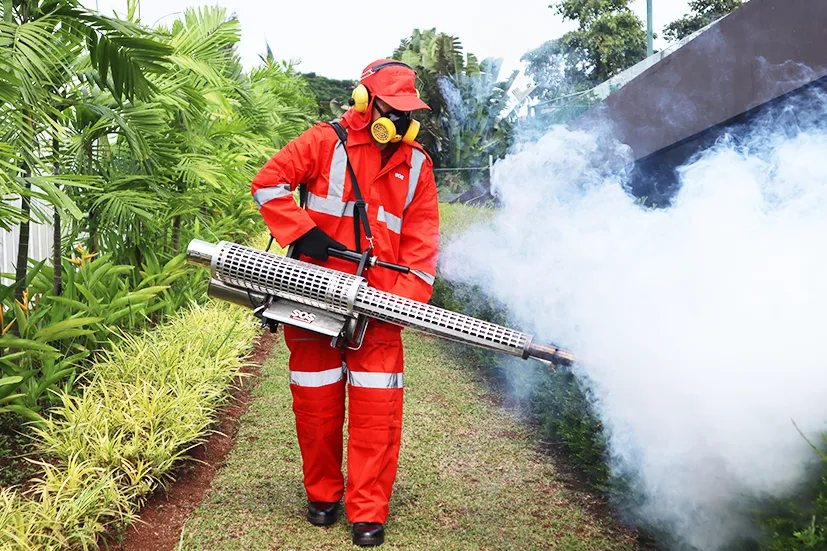
Rodent & Termite Pest Control SOP for Building Protection
Prevent the risk of damage caused by rodents and termites with a proper pest control SOP. SOS provides professional services to maintain safe environments.
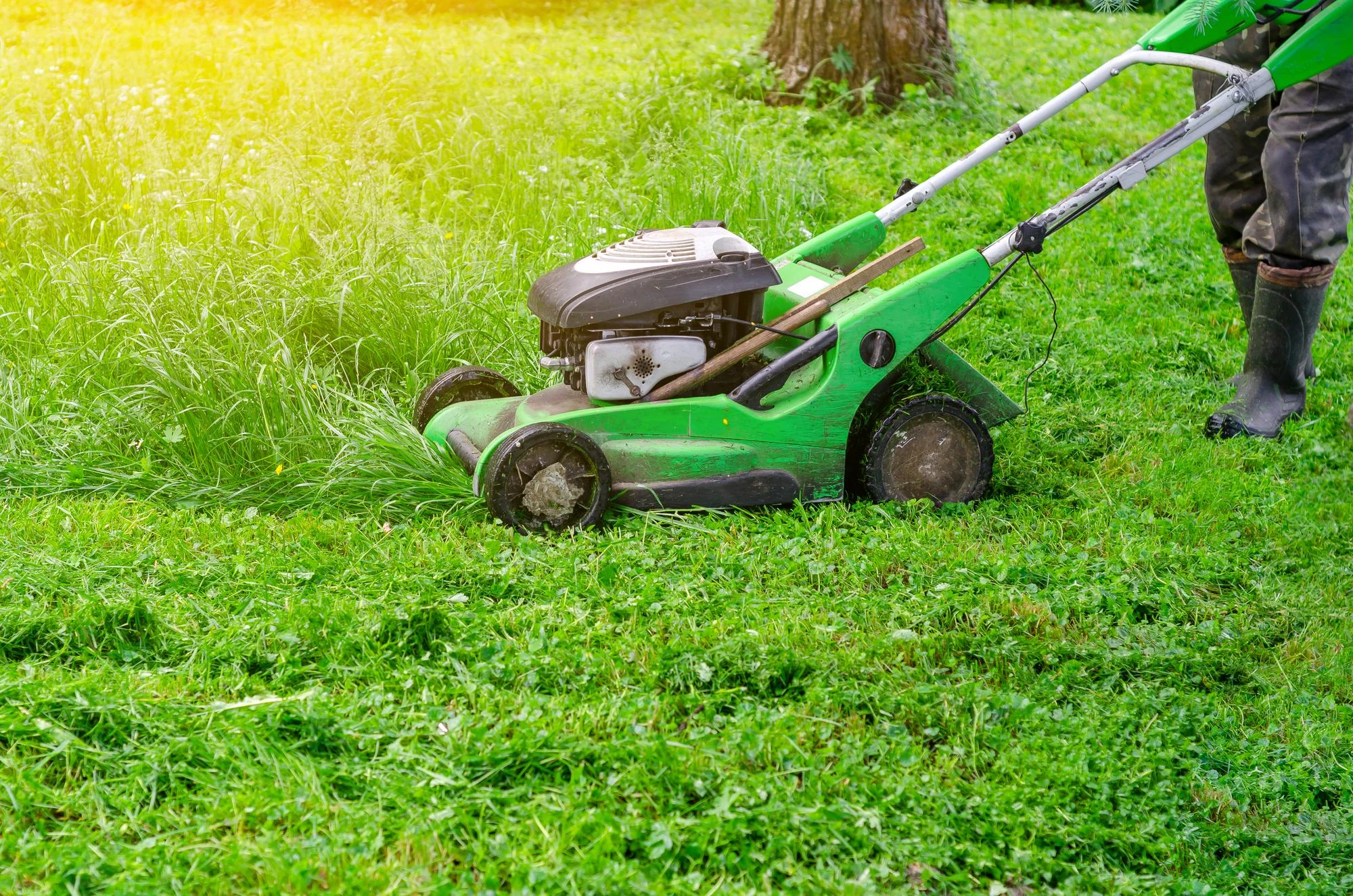
Lawn Mowing Service Prices for Offices: A Professional Solution for Well-Maintained Green Areas
Want your office green area to look neat and professional? Discover office lawn mowing service prices from SOS, supported by skilled professionals, modern equipment, and safe work standards.
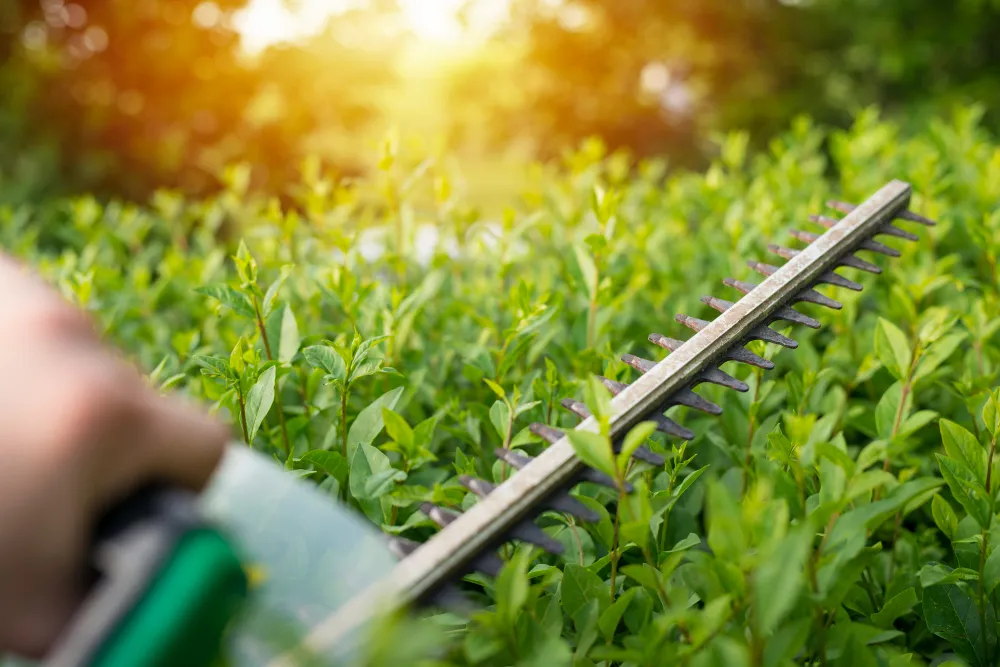
Building Landscape Garden Maintenance Services
Leverage professional building landscape garden maintenance services to create a green and comfortable work environment. A reliable solution for well-maintained office gardens.