
Building Security Surveillance Regulations & Technology
02 February 2026
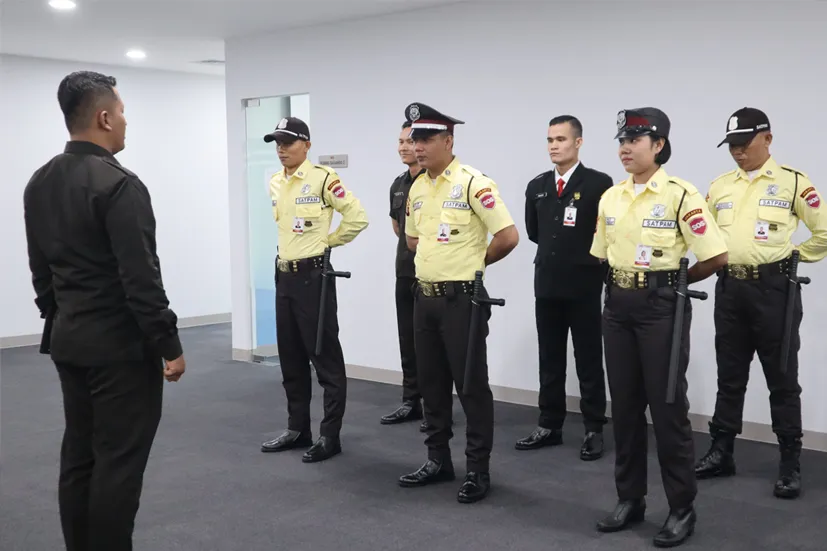
In an increasingly complex business environment, security surveillance is no longer merely an operational complement—it has become a core component of risk management systems. Office buildings, shopping centers, industrial facilities, and public areas face various potential threats, ranging from asset theft and vandalism to unauthorized access and occupant safety disruptions.
Building security surveillance serves as the first layer of protection to ensure activities run safely and in an orderly manner. Through a structured system, building managers can monitor human movement, detect potential incidents early, and provide supporting data in the event of emergencies.
However, the effectiveness of surveillance is not determined solely by the presence of equipment. Compliance with regulations, appropriate use of technology, and the readiness of human resources play equally critical roles.
Read Also: 7 Strategies for Security Cost Efficiency Without Reducing Protection
Security Surveillance Regulations as an Operational Foundation
To operate ethically and legally, security surveillance must comply with applicable regulations. In Indonesia, building security practices generally refer to standards for securing vital objects, labor regulations governing security personnel, and personal data protection principles.
Security surveillance regulations aim to:
-
Ensure individual privacy rights are protected
-
Define boundaries of areas that may be monitored
-
Regulate procedures for storing and using recorded data
-
Establish building management’s responsibility for security data
Compliance with these regulations is essential to avoid legal disputes while also building trust among occupants and visitors. Without a clear legal framework, surveillance systems may instead become a new source of risk for organizations.
Therefore, every surveillance implementation should begin with the development of Standard Operating Procedures (SOPs) covering data governance, incident reporting workflows, and regular internal audit mechanisms.
The Role of Security Surveillance Technology in Integrated Systems
Advancements in security surveillance technology enable real-time, centralized monitoring. Today, many buildings have adopted IP-based cameras, video analytics, access control systems, and integration with alarms and environmental sensors.
These technologies offer several advantages, including:
-
24/7 monitoring with automatic recording
-
Detection of suspicious activities through video analytics
-
Integration with access control and building management systems
-
Secure digital data storage that is easy to retrieve
Through centralized dashboards, security teams can monitor multiple points simultaneously, respond more quickly to incidents, and compile reports based on real-time data.
Nevertheless, technology still requires professional management. Without routine maintenance and trained operators, even the most advanced systems will not deliver optimal results.
Risks of Poorly Managed Security Surveillance
Despite its benefits, security surveillance presents various risks if systems are not comprehensively designed. These risks include equipment failure, data breaches, and misinterpretation of information.
Common risks include:
-
Blind spots due to improper camera placement
-
Delayed response caused by insufficiently trained personnel
-
Misuse of recorded surveillance data
-
Overreliance on technology without human oversight
Additionally, non-standardized systems may create security gaps exploitable by unauthorized parties. For this reason, regular evaluations and incident response simulations are vital components of effective surveillance management.
The best approach is to combine technology, procedures, and personnel competency within a single integrated framework.
Security Surveillance in Privacy Areas: Balancing Protection and Ethics
One of the greatest challenges in building security is surveillance within privacy-sensitive areas, such as changing rooms, restrooms, prayer rooms, or restricted employee zones. In these areas, direct visual monitoring is generally prohibited.
Instead, building managers can implement alternative methods, such as:
-
Door access sensors
-
Panic buttons
-
Regular patrols by security personnel
-
Monitoring surrounding areas near entry points
This approach ensures security is maintained without violating personal privacy. Transparency toward occupants regarding monitored areas and the purpose of surveillance is also essential in fostering a healthy sense of security.
Manual Security Surveillance as a Complement to Digital Systems
Despite the dominance of automated systems, manual security surveillance continues to play a strategic role. Physical patrols, on-site inspections, and direct interaction between security officers and building occupants cannot be fully replaced by technology.
Manual surveillance enables:
-
Identification of environmental conditions not captured by cameras
-
Rapid response to non-technical situations
-
A more human-centered approach to building users
Collaboration between field officers and monitoring centers creates layered security protection while improving the accuracy of on-site risk assessment.
Read Also: Must-Know! Office Security SOP to Keep Assets & Employees Safe
Toward a More Reliable Building Security Surveillance System with SOS
Effective building security surveillance requires a balance between regulation, technology, and human involvement. With clear SOPs, appropriate technology utilization, and professional personnel support, building managers can minimize operational risks while enhancing safety for all occupants.
As an integrated security service provider, SOS delivers security surveillance solutions tailored to modern business needs—from trained security personnel and monitoring systems to professional, standards-based operational support. This holistic approach helps organizations build safe, orderly, and sustainable work environments.
If you are looking to develop a more structured security surveillance system aligned with regulatory standards, professional services from SOS can be the first step toward optimizing asset and resource protection.
Contact the SOS team today via WhatsApp to receive a consultation and comprehensive security solutions that meet industry standards!
More News

Rodent & Termite Pest Control SOP for Building Protection
Prevent the risk of damage caused by rodents and termites with a proper pest control SOP. SOS provides professional services to maintain safe environments.

Lawn Mowing Service Prices for Offices: A Professional Solution for Well-Maintained Green Areas
Want your office green area to look neat and professional? Discover office lawn mowing service prices from SOS, supported by skilled professionals, modern equipment, and safe work standards.

Building Landscape Garden Maintenance Services
Leverage professional building landscape garden maintenance services to create a green and comfortable work environment. A reliable solution for well-maintained office gardens.