
Production Area Cleaning Procedures
03 February 2026
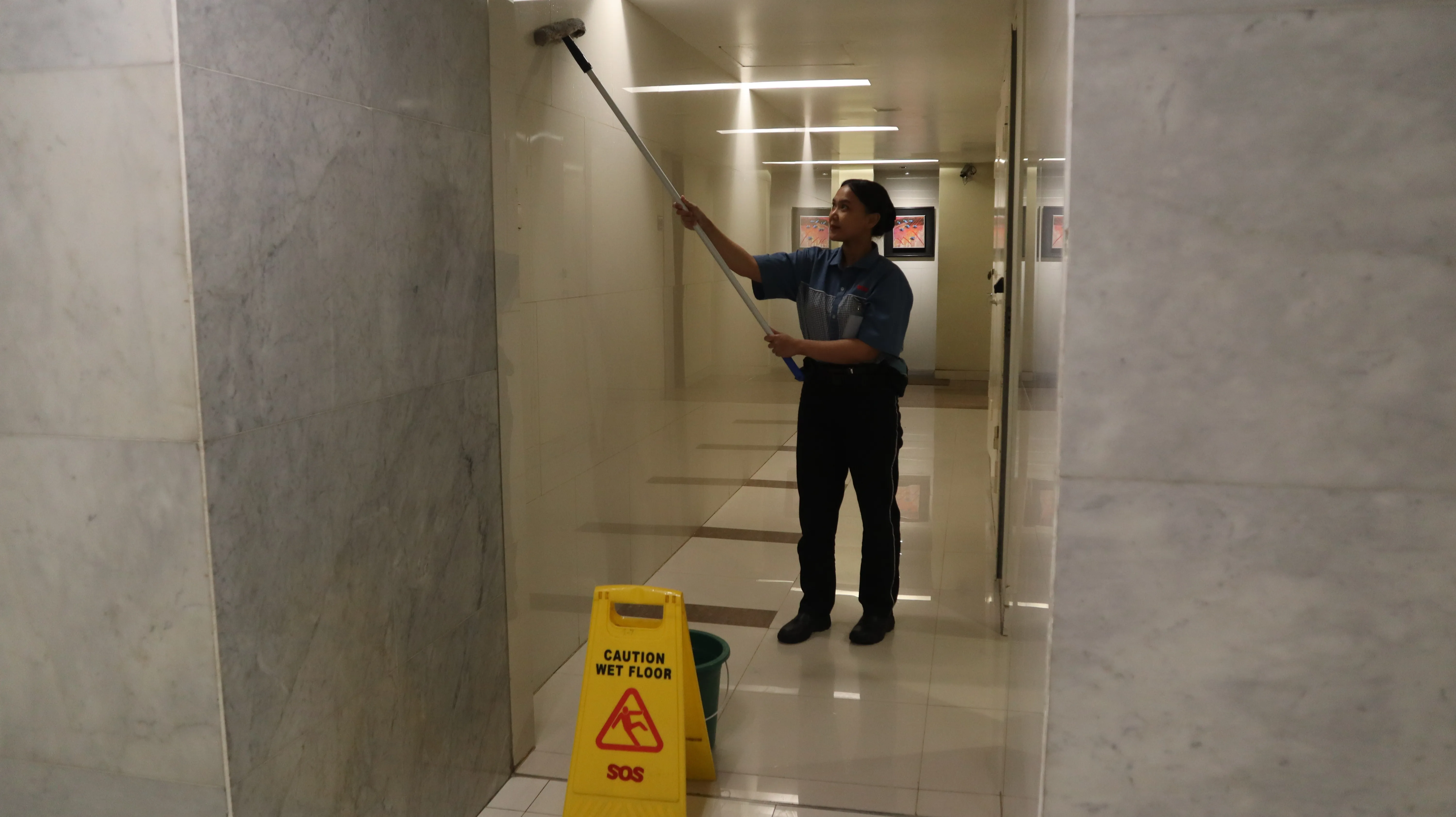
In modern industrial environments, cleanliness is not merely a matter of aesthetics—it is a critical component of quality management systems, workplace safety, and operational sustainability.
Poorly maintained production areas increase the risk of product contamination, employee health issues, and decreased process efficiency.
Therefore, implementing standardized production area cleaning procedures is essential.
From routine cleaning and room cleaning to specialized handling of sterile areas, every stage must be carried out systematically, properly documented, and regularly supervised.
Read Also: 10 Duties of Office Cleaners for a Comfortable Workplace
The Importance of Cleaning Procedures in Production Areas
Every production activity involves people, machines, and materials that can generate dust, residue, and waste. If not properly managed, the accumulation of dirt can trigger microorganism growth, increase workplace accidents, and reduce product quality.
Well-planned cleaning procedures help companies to:
-
Maintain hygiene standards in accordance with industry regulations
-
Minimize the risk of cross-contamination
-
Create a safe and comfortable working environment
-
Extend the service life of machines and facilities
-
Support the achievement of quality certifications such as ISO and other industry standards
In other words, cleaning is not an additional task, but an integral part of operational management.
Scope of Production Area Cleaning
To ensure effectiveness, cleaning activities should be divided according to area characteristics. Each zone carries different levels of risk and requires specific handling methods.
1. Production Room Cleaning
Room cleaning covers floors, walls, ceilings, ventilation systems, and employee work areas. This activity aims to remove dust, stains, and particles that may interfere with production processes.
General production room cleaning procedures include:
-
Sweeping and mopping floors using industrial cleaning solutions
-
Cleaning work surfaces and non-machine equipment
-
Wiping walls and control panels
-
Regularly emptying waste bins
Cleaning frequency is adjusted to activity levels, but generally performed daily as part of routine cleaning.
2. Production Area Cleaning
Unlike room cleaning, production area cleaning focuses on zones directly involved in manufacturing processes, including machines, conveyors, and material handling areas.
This approach must prioritize workplace safety and machine operating standards. Key steps include:
-
Shutting down equipment before cleaning (lockout–tagout procedures)
-
Using cleaning tools and chemicals compatible with machine materials
-
Removing production residues, oil, or technical dust
-
Conducting visual inspections after cleaning
These activities are typically carried out daily or weekly, depending on machine usage intensity.
3. Sterile Area Cleaning
Certain industries such as pharmaceuticals, food and beverage, and precision electronics require sterile areas with significantly higher cleanliness standards. In these zones, even minor errors can have major impacts on product quality.
Sterile area cleaning involves specialized procedures, including:
-
Using tested and approved disinfectants
-
Employing lint-free cleaning tools
-
Controlling personnel entry routes to prevent contamination
-
Wearing complete personal protective equipment (PPE) such as coveralls, gloves, masks, and hair covers
All processes must be strictly documented and closely monitored to ensure sterility standards are consistently maintained.
Standard Stages of Production Area Cleaning
To ensure consistent implementation, production area cleaning procedures are typically divided into several key stages:
Planning and Scheduling
Each area follows a specific cleaning schedule—daily, weekly, or periodically—based on risk levels and production activities.
Routine Cleaning Execution
Routine cleaning includes daily activities such as sweeping, mopping, cleaning work surfaces, and waste management. This stage forms the foundation of maintaining a clean production environment.
Deep Cleaning
Performed periodically to reach areas not covered during daily cleaning, such as machine tops, air ducts, and hidden corners.
Inspection and Documentation
After cleaning is completed, supervisors inspect the results. All activities are recorded in reports as evidence of compliance with standard operating procedures (SOPs).
The Role of Professional Personnel in Maintaining Cleanliness Standards
Managing production area cleaning requires specialized expertise, including the safe use of chemicals, proper equipment handling, and a thorough understanding of workplace safety standards. Therefore, many companies rely on professional cleaning service providers.
Trained personnel ensure that every cleaning stage is carried out according to procedures, helping companies maintain quality consistency and operational efficiency.
Read Also: Key Differences Between Deep Cleaning and General Cleaning
SOS Is Ready to Support You with Professional Cleaning Services
Production area cleaning procedures are crucial in maintaining product quality, workplace safety, and business continuity. By implementing routine cleaning, structured room cleaning, proper production area handling, and high standards for sterile area cleaning, companies can create a hygienic and productive working environment.
As an integrated outsourcing service partner, SOS provides professional cleaning solutions tailored to your industry’s needs. Supported by skilled personnel and standardized work systems, SOS is ready to help maintain production area cleanliness while supporting your company’s long-term operational performance.
Need more information? Contact the SOS team today and discover the right solution for your business needs.
More News
Guide to Choosing the Right Office General Cleaning Service
Looking for a trusted office general cleaning service? Discover tips on choosing the right professional office cleaning service for your company in this article!
Building Maintenance Strategies to Maintain Cleanliness Standards
Professional building maintenance to maintain the cleanliness, safety, and performance of your company facilities. Discover the solution here.
Strategies to Manage Office Building Maintenance Costs Efficiently
Did you know there are smart strategies to manage office building maintenance costs? Not only can you improve efficiency, but you can also keep your office comfortable to use. Learn more here!