
Standard SOP for CCTV Monitoring & Routine Reporting for Business
02 February 2026
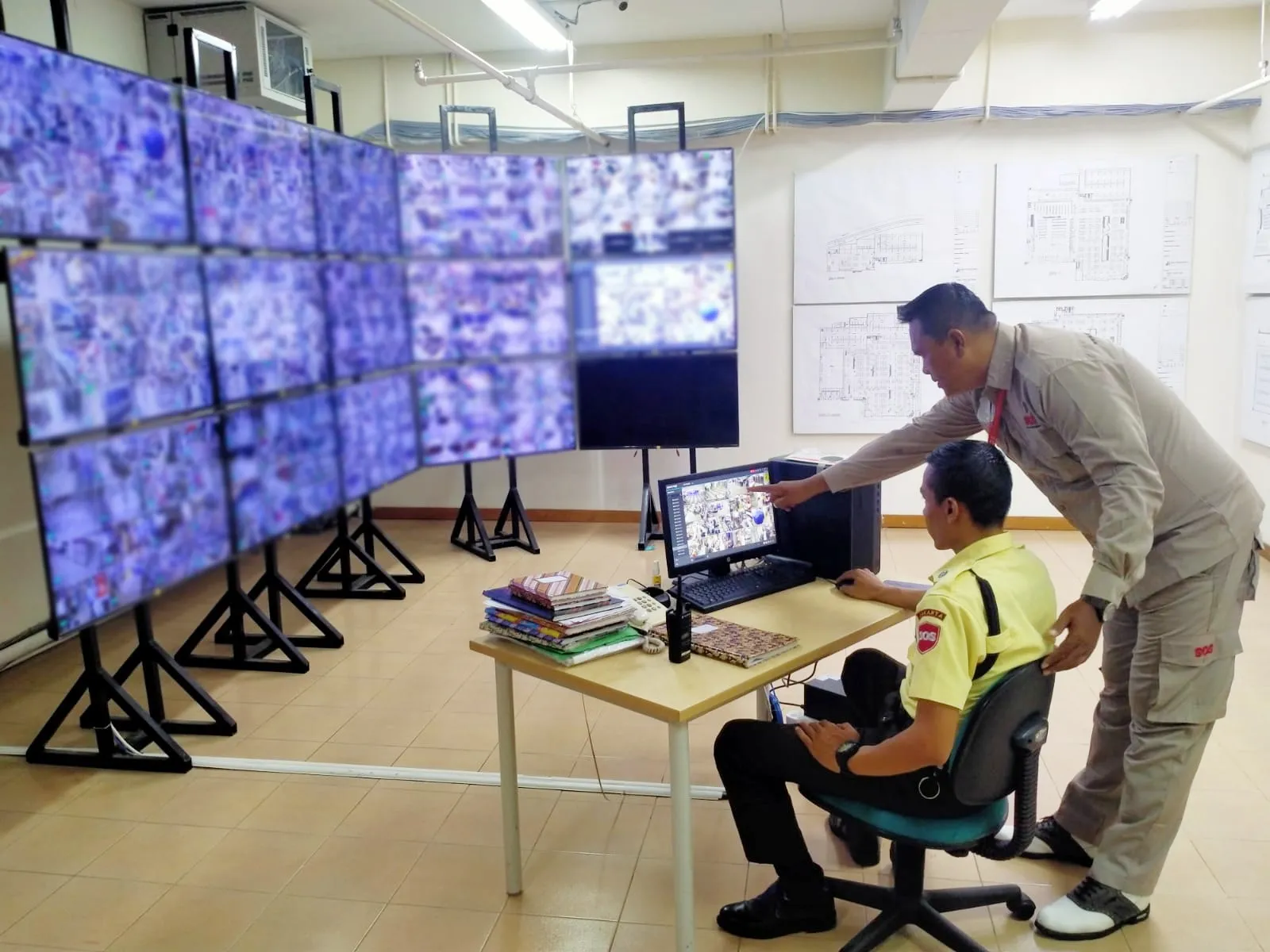
In modern security systems, CCTV monitoring no longer functions merely as a visual recording tool. CCTV has evolved into an active surveillance instrument that plays a critical role in risk prevention, early incident detection, and data-driven decision-making. To ensure these functions operate optimally, clear Standard Operating Procedures (SOPs) and a structured routine reporting system are essential.
Through standardized CCTV monitoring SOPs, every monitoring activity can be conducted consistently, measurably, and accountably. Meanwhile, routine reports serve as documentation tools that help management continuously evaluate the effectiveness of the security system.
Read Also: Must-Know! Office Security SOP to Keep Assets & Employees Safe
Why Are CCTV Monitoring SOPs So Important?
The presence of cameras alone is not sufficient without standardized work guidelines. CCTV monitoring SOPs serve as an operational framework that regulates the workflow of security personnel—from system preparation to incident handling. With consistently applied SOPs, companies can ensure that every potential risk is addressed using the same standards, regardless of which officer is on duty.
More than that, SOPs help build a disciplined work culture, improve accountability, and minimize errors caused by human factors.
With clear SOPs, companies can:
-
Maintain consistent monitoring processes across all shifts
-
Detect suspicious activities more quickly
-
Ensure incidents are followed up appropriately
-
Provide organized documentation for audits or investigations
-
Reduce the risk of human error in surveillance
Scope of CCTV Monitoring SOPs
For SOPs to be implemented effectively, their scope must cover all stages of monitoring operations—from system readiness and daily monitoring activities to response procedures when threat indicators arise. This structured scope helps officers understand their responsibilities comprehensively, rather than focusing solely on monitor screens.
In general, CCTV monitoring SOPs are divided into the following key stages.
1. Initial Preparation and System Inspection
This initial stage determines the quality of monitoring throughout the shift. Equipment checks are performed to ensure there are no technical disruptions that could hinder surveillance. Inactive cameras or misaligned viewing angles can create high-risk blind spots.
Before starting a shift, officers must ensure:
-
Camera conditions are clear and properly aligned
-
Monitors and recording devices are active
-
Network connections are stable
-
Storage capacity is sufficient
This step forms a crucial foundation to ensure optimal monitoring performance.
2. Real-Time Monitoring Procedures
Once the system is confirmed ready, monitoring is conducted actively and continuously. At this stage, officers are not merely passive observers but visual analysts capable of recognizing patterns of normal and abnormal activity.
Officers are required to:
-
Monitor priority areas such as entrances, parking areas, warehouses, and vulnerable points
-
Perform periodic visual scanning across cameras
-
Record unusual activities, such as individuals loitering without clear purpose or vehicles parked for extended periods
-
Identify potential risks at an early stage
This proactive approach enables prevention before situations escalate into incidents.
3. Handling Incidents or Threat Indicators
When threat indicators are detected, SOPs must provide systematic response guidelines. Structured handling helps reduce panic, accelerate coordination, and ensure every action is well documented.
Common response steps include:
-
Recording the time and location of the incident
-
Securing video footage as preliminary evidence
-
Contacting field teams or supervisors
-
Escalating the issue according to risk level
-
Documenting the incident chronology
Fast and accurate responses significantly influence the success of risk mitigation.
Standard Routine Reporting in CCTV Monitoring
In addition to real-time monitoring, routine reporting is a vital component of CCTV monitoring SOPs. Reports function as security activity records and evaluation tools for management. Through consistent reporting, companies can objectively understand field conditions.
Reports are typically prepared daily, weekly, or monthly depending on operational needs, and usually include:
-
Monitoring date and time
-
Officer name and work shift
-
CCTV system condition
-
Summary of activities during the monitoring period
-
List of incidents or significant findings
-
Actions taken
-
Recommendations for improvements or security enhancements
Well-structured formats make trend analysis and strategic decision-making easier.
Benefits of Routine Reports for Security Management
Routine reports are not merely administrative documents—they hold strategic value. From these reports, management can assess the effectiveness of security systems, identify risk patterns, and design more targeted preventive measures.
Key benefits of routine reports include:
-
Transparency of surveillance activities
-
Clear audit trails in case of incidents
-
Evaluation of security personnel performance
-
A foundation for system improvement planning
-
Supporting evidence for insurance claims or legal processes
Challenges in Implementing CCTV Monitoring SOPs
In practice, SOP implementation often faces operational challenges. Human resource factors, technological limitations, and workload intensity can affect monitoring quality.
Common challenges include:
-
Lack of proper officer training
-
High workloads during peak hours
-
CCTV systems that are not fully integrated
-
Time-consuming manual documentation processes
Therefore, strong system support and management commitment are required to ensure SOPs are applied consistently.
Read Also: Company Security SOP: Essential Standards That Must Be Implemented
Integrating SOPs with Professional Security Services
To ensure SOPs are implemented optimally, many companies choose to collaborate with professional security service providers. This approach enables access to trained personnel, standardized reporting systems, and regular supervision.
SOS delivers advanced corporate alarm systems and professional security solutions to support maximum protection for every building. This integration helps create a stronger and more sustainable security system.
Contact the SOS team now via WhatsApp to get a consultation and comprehensive security solutions that meet industry standards!
More News
Rodent & Termite Pest Control SOP for Building Protection
Prevent the risk of damage caused by rodents and termites with a proper pest control SOP. SOS provides professional services to maintain safe environments.

Lawn Mowing Service Prices for Offices: A Professional Solution for Well-Maintained Green Areas
Want your office green area to look neat and professional? Discover office lawn mowing service prices from SOS, supported by skilled professionals, modern equipment, and safe work standards.

Building Landscape Garden Maintenance Services
Leverage professional building landscape garden maintenance services to create a green and comfortable work environment. A reliable solution for well-maintained office gardens.