
Why Hospital Cleanliness Is a Critical Determining Factor
26 February 2026
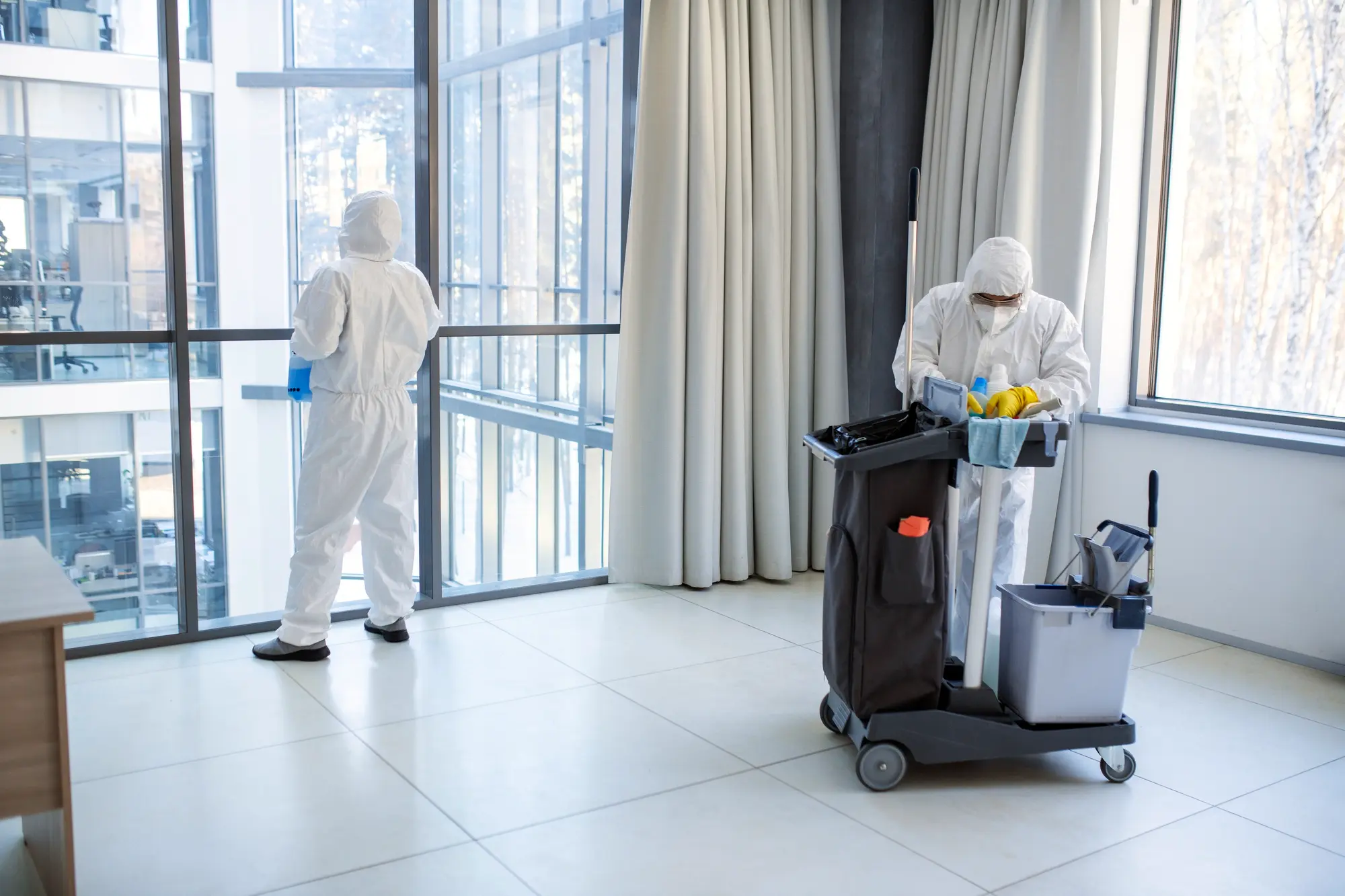
Hospital cleanliness is not merely about maintaining a neat and comfortable environment. It is a fundamental part of the patient safety system.
A poorly managed medical environment can increase the risk of infection, prolong hospital stays, and reduce patient trust in healthcare services.
That is why hospital cleanliness management requires clear standards, consistent implementation, and professionally trained staff, often by outsourcing services in Jakarta that understand the specific needs of healthcare facilities.
Why Is Hospital Cleanliness Important for Patient Safety?
Hospital cleanliness is directly linked to healthcare quality and patient protection. Below are several key aspects explaining why cleanliness is a critical factor.
1. Preventing Healthcare-Associated Infections (HAIs)
An unclean hospital environment can become a breeding ground for bacteria, viruses, and fungi that cause nosocomial infections.
The World Health Organization (WHO) states that environmental cleanliness is one of the main pillars of Infection Prevention and Control (IPC) programs. Proper cleaning procedures significantly reduce the risk of transmission between patients and from contaminated surfaces.
2. Protecting Vulnerable Patients
Patients with weakened immune systems—such as ICU patients, elderly individuals, or post-surgery patients—depend heavily on optimal hospital cleanliness.
Even minor contamination can have serious consequences for these groups. Therefore, stricter cleanliness standards must be applied in specialized care areas.
3. Supporting Healthcare Workers and Hospital Staff Performance
A clean working environment allows healthcare professionals and hospital staff to perform their duties more safely and efficiently.
Hygienic spaces reduce workplace accidents and exposure to harmful pathogens, indirectly improving the quality of care delivered to patients.
4. Maintaining Hospital Trust and Reputation
Cleanliness is often the first indicator assessed by patients and their families. Hospitals that consistently maintain high standards of cleanliness are perceived as safer and more professional. This trust plays a significant role in the long-term reputation of hospital management organizations.
Read Also: Hospital Hygiene Standards per Ministry of Health Rules
The Role of Operating Room Sterilization in Maintaining a Safe Medical Environment
Operating room sterilization is one of the most critical aspects of hospital cleanliness. Its importance includes:
1. Reducing Post-Surgical Infection Risks
Operating rooms must remain sterile to prevent microorganisms from entering surgical areas.
Suboptimal sterilization increases the risk of surgical site infections (SSI). The Centers for Disease Control and Prevention (CDC) emphasizes that operating room cleanliness significantly reduces post-operative complications.
2. Layered and Scheduled Cleaning Standards
Operating room sterilization is conducted not only after procedures but also through routine cleaning before and after use. Each surface, piece of equipment, and floor area follows specific cleaning procedures. Consistency in scheduling is key to effective contamination control.
3. The Role of Specially Trained Cleaning Staff
Cleaning personnel assigned to operating rooms must understand basic medical procedures and the proper use of sterilizing chemicals.
Even minor mistakes in cleaning processes can have serious consequences for patient safety. For this reason, many hospitals rely on professional outsourced cleaning service providers with specialized healthcare training.
4. Use of PPE and Strict Protocols
Operating room sterilization requires the proper use of personal protective equipment (PPE). PPE helps prevent cross-contamination between staff, equipment, and the environment. These protocols must be monitored regularly to ensure compliance.
Read Also: Complete Guide: How to Measure the Quality of Cleaning Service Performance
Hospital Cleanliness Checklist for Critical and Non-Critical Areas
To ensure hospital cleanliness remains consistent, a clear and auditable checklist is essential. Key components include:
1. Critical Areas (ICU, Operating Rooms, NICU)
These areas require high-level sterilization and more frequent cleaning. Every cleaning activity must be properly documented, with strict supervision integrated into the hospital’s quality management system.
2. Semi-Critical Areas (Inpatient Rooms, Laboratories)
Routine cleaning is required, especially for high-touch surfaces. Beds, tables, and medical equipment must be disinfected according to standard operating procedures (SOPs) to minimize microorganism spread.
3. Non-Critical Areas (Lobby, Corridors, Waiting Rooms)
Although not directly related to medical procedures, these areas significantly influence patient comfort and perception. Daily maintenance of floors, seating, and public facilities enhances visitors’ sense of safety.
4. Medical Waste Management
Medical waste must be segregated, packaged, and disposed of according to regulations. Improper waste handling can endanger patients, staff, and the environment. This process is an integral part of hospital cleanliness.
5. Availability and Compliance in PPE Usage
Checklists must ensure PPE is always available and used appropriately according to area requirements. Compliance reflects the discipline of the overall cleanliness system.
6. Documentation and Cleanliness Audits
All cleaning activities must be recorded for internal and external audits. Proper documentation is essential for hospital accreditation processes and maintaining quality standards.
7. Regular Training for Cleaning Staff
Cleaning staff should receive ongoing training on SOPs, cleaning chemicals, and health risks. Continuous education ensures that hospital cleanliness standards remain aligned with evolving regulations and technology.
Read Also: Complete Guide: How to Measure the Quality of Cleaning Service Performance
It’s Time to Manage Hospital Cleanliness Professionally and Systematically
Maintaining hospital cleanliness requires a consistent system, trained personnel, and continuous supervision.
As operational demands grow more complex, many hospitals partner with professional outsourced cleaning service providers that understand healthcare standards and regulatory requirements.
PT SOS stands as a trusted partner in delivering professional cleaning personnel who are trained, disciplined, and operate according to clear standard operating procedures.
With a structured system and experienced workforce, SOS helps hospitals maintain safe, efficient, and sustainable cleanliness standards.
Contact SOS today to ensure your hospital cleanliness is managed safely, efficiently, and professionally!
More News

How to Maintain Office Garden Cleanliness Properly
Don’t maintain your office garden carelessly without knowing the proper way to keep it clean and avoid repeated efforts. Learn the right approach here!

6 Key Elements to Maintain an Office Garden with a Structured System
Maintain your office garden with a structured system to strengthen your company’s image in the eyes of clients and investors. Discover the 6 key elements here!

The Importance of Professional Garden Maintenance for a Better Quality of Life
Proper garden maintenance preserves the aesthetics and functionality of open spaces. But what services are included? Read more here!