
6 Key Elements to Maintain an Office Garden with a Structured System
03 March 2026
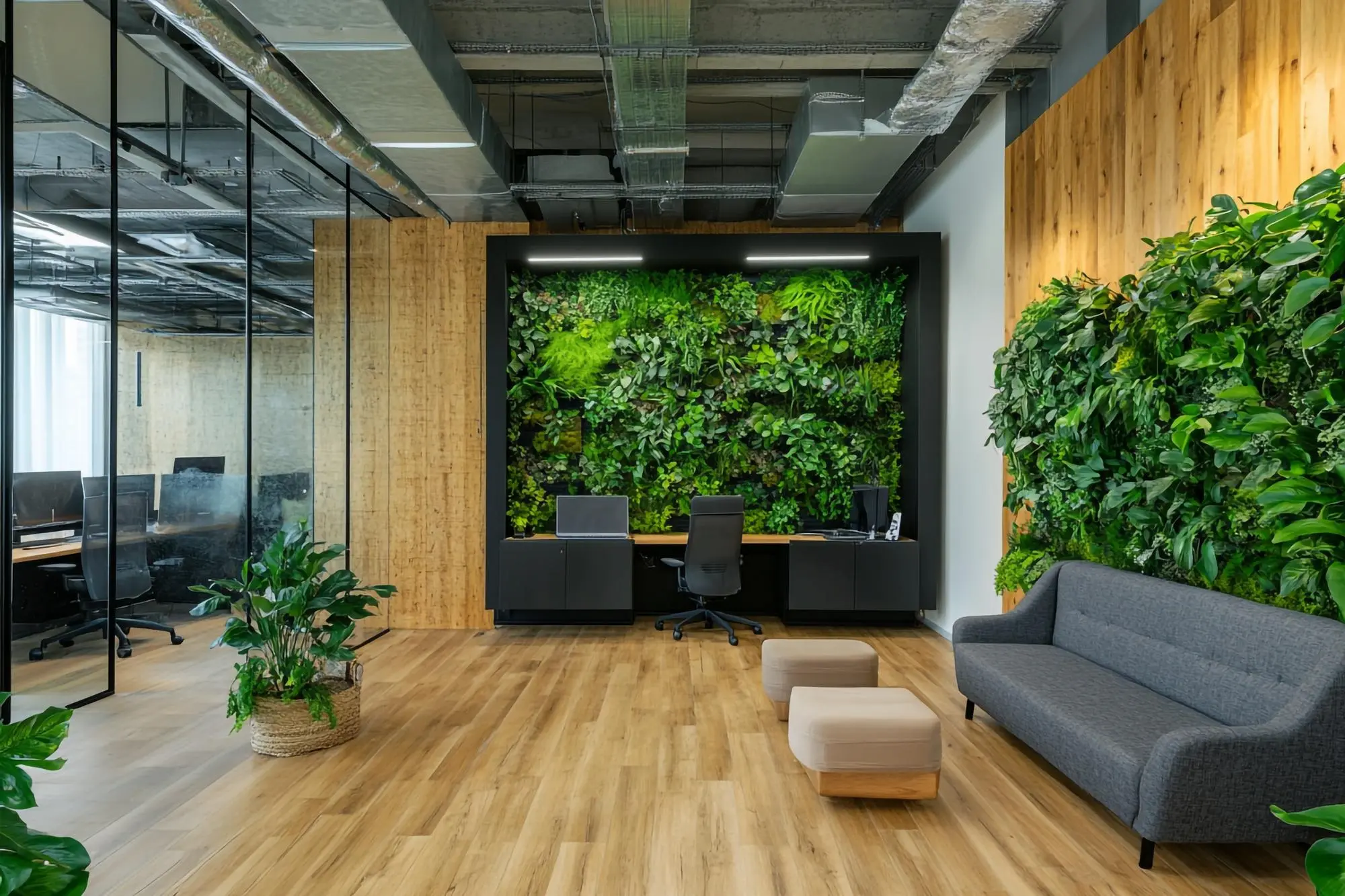
Office garden maintenance is not merely about routine watering and trimming. More than that, a well-maintained garden reflects corporate professionalism and creates a healthy, productive work environment for employees.
When a maintenance system is designed in a structured manner, companies not only preserve aesthetics but also ensure long-term landscape sustainability.
To support optimal operations, many companies rely on professional workforce services such as Jakarta outsourcing to ensure maintenance processes run consistently and according to standardized procedures.
Explore all the essential information you need below!
Why Is Office Garden Maintenance Important?
A well-maintained office garden delivers tangible visual and psychological benefits. Here are several reasons why maintenance should never be overlooked:
1. Enhancing Corporate Professional Image
A neat green area creates a positive first impression for guests and business partners. A well-kept garden demonstrates attention to detail and strong management practices, indirectly strengthening brand reputation.
2. Supporting Employee Productivity
Research shows that exposure to green spaces can improve concentration and reduce stress levels. A well-organized garden environment helps employees feel more comfortable and focused, significantly improving work performance.
3. Maintaining a Healthy Work Environment
Plants help filter air pollution and reduce excessive heat around buildings. With routine maintenance, plants grow optimally, ensuring air quality remains well maintained. A healthy environment directly impacts employee well-being.
4. Saving Long-Term Costs
Without structured care, plants can deteriorate quickly and require replacement.
Benefits of routine maintenance include:
-
Preventing early plant damage
-
Reducing pest and disease risks
-
Minimizing landscape renovation costs
-
Preserving the company’s property investment value
With the right system, maintenance costs can be efficiently controlled.
Read Also: Want a More Comfortable Office? Try These Office Garden Arrangement Tips!
6 Key Elements of an Office Garden Maintenance System
To achieve optimal results, office garden maintenance must have a solid foundation. Here are six essential elements to consider:
1. Regular Maintenance Schedule
Consistent scheduling ensures each plant receives proper care. From watering and fertilizing to pruning, all activities should be well-documented to avoid oversight.
2. Standard Operating Procedures (SOP)
SOPs serve as technical guidelines for maintenance teams. Clear procedures ensure controlled work quality and consistent results, while also simplifying periodic performance evaluations.
3. Integrated Pest Management
This approach does not rely solely on pesticides but also includes preventive and natural control methods. The goal is to maintain ecological balance without harming the surrounding office environment.
4. Proper Plant Selection
Not all plants are suitable for every location. Factors such as sunlight exposure, rainfall, and soil type must be considered to ensure optimal growth with efficient maintenance.
5. Professional Workforce
Garden maintenance requires specialized skills. Trained personnel understand pruning techniques, fertilization methods, and plant disease identification to deliver maximum results.
6. Routine Monitoring and Evaluation
Regular evaluations help companies assess whether the system is functioning effectively. Maintenance strategies can then be adjusted based on actual field conditions.
Read Also: Effective Strategies for Transitioning from In-House to Outsourcing
5 Ways to Build a Structured Maintenance System
Building a system does not have to be complicated, but it must be consistent and measurable. Here are practical steps you can implement:
1. Conduct a Garden Condition Audit
Start by evaluating plant conditions, soil quality, and irrigation systems. This initial data serves as the foundation for developing a targeted maintenance strategy.
2. Develop an Annual Work Plan
An annual plan helps companies manage budgets and maintenance priorities. With thorough planning, each activity has a clear timeline.
3. Define Performance Standards
Performance standards simplify the measurement of team results. For example, plant survival rates or cleanliness levels of green areas within a specific period.
4. Utilize Supporting Technology
Automated irrigation systems or digital record-keeping can improve operational efficiency. Technology enhances monitoring accuracy and minimizes manual errors.
5. Engage Professional Partners
Partnering with experienced workforce providers ensures system consistency. With trained personnel support, companies can focus on core business activities without compromising office garden quality.
Read Also: High-Rise Building Glass Cleaning Services — Are They Necessary? How to Choose the Right One?
Ensure Your Office Garden Is Properly Maintained with Professional Workforce Services from SOS!
After understanding the importance of a structured maintenance system, the next step is ensuring professional and consistent execution.
A well-maintained office garden is not just about aesthetics—it is about creating a healthy work environment, strengthening corporate image, and supporting employee productivity.
That is why you need competent and trained personnel to ensure the designed system operates effectively. SOS is your trusted partner in providing professional workforce solutions ready to support your office garden maintenance needs.
Don’t wait until garden quality declines and impacts your company’s image. Contact SOS today and create a well-maintained, professional office garden that delivers real added value to your business!
More News

How to Maintain Office Garden Cleanliness Properly
Don’t maintain your office garden carelessly without knowing the proper way to keep it clean and avoid repeated efforts. Learn the right approach here!

The Importance of Professional Garden Maintenance for a Better Quality of Life
Proper garden maintenance preserves the aesthetics and functionality of open spaces. But what services are included? Read more here!

5 Strategic Roles of Hotel Valet Parking in Hospitality
Vehicle surges and limited parking space are common challenges in hotels. Don’t let them disrupt your service. Discover efficient valet strategies here!