
SOP for Industrial Area Security to Ensure Operational Continuity
26 February 2026
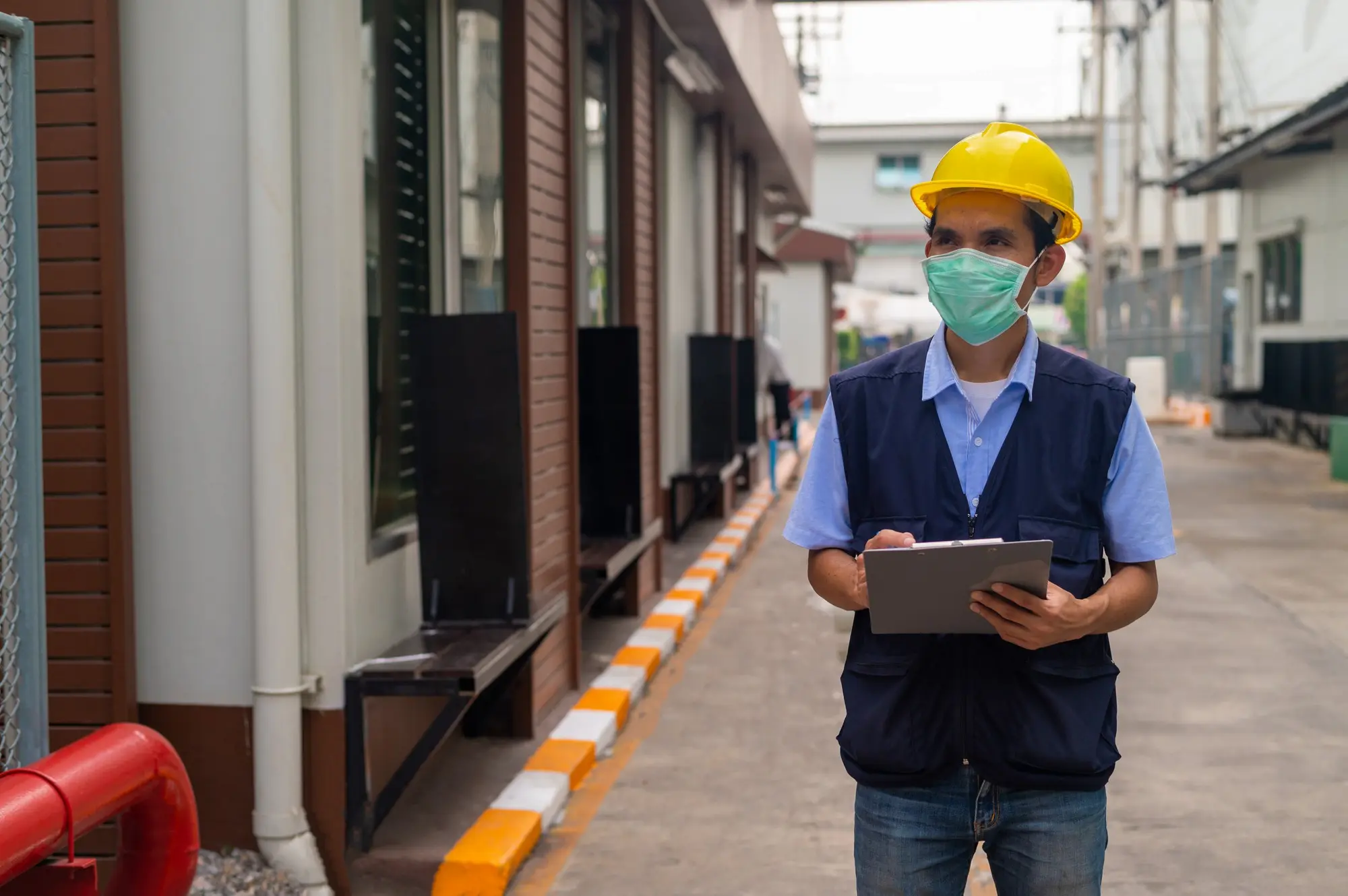
Industrial area security is a critical foundation for ensuring smooth production and logistics operations.
With the high mobility of employees, logistics vehicles, and valuable assets, companies require a structured, consistent, and reliable security system.
Without clear standard operating procedures (SOPs), the risk of operational disruptions, asset loss, and workplace accidents increases significantly.
This is where industrial area security plays a crucial role — not merely as site guarding, but as an integrated part of the company’s overall operational system.
Many businesses today rely on Jakarta outsourcing services to maintain high security standards while staying focused on their core operations.
Let’s start implementing company security properly with the right SOP framework.
Industrial Area Security Challenges in High-Activity Environments
Industrial areas differ significantly from typical commercial spaces. High-intensity activities demand detailed and adaptive security planning.
1. High Mobility of Logistics Vehicles
Constant truck traffic throughout the day increases the risk of accidents and unauthorized access.
Without strict supervision, logistics routes can be exploited by unauthorized parties. This condition requires security systems that are fully integrated with production workflows.
2. Diverse Access for Employees, Vendors, and Visitors
Not everyone in an industrial area has the same level of access. Problems arise when identification and access restrictions are not applied consistently. This can lead to security breaches and operational disturbances.
3. Vulnerability to External Disruptions
Demonstrations, community conflicts, or mass gatherings near industrial zones can directly impact industrial area security.
Without proper procedures, such situations may disrupt production and distribution. Prepared and well-trained security personnel are essential in these circumstances.
4. Protection of High-Value Assets and Production Areas
Production machinery, raw materials, and warehouses represent significant company assets. Risks increase when these areas lack layered security measures. Weak protection may result in financial losses and production delays.
Read Also: Food Factory Sanitation According to ISO 22000, Must Be Fulfilled!
Industrial Area Security SOP and Its Operational Implementation
To address these challenges, companies must implement clear and practical industrial area security SOPs. These procedures should go beyond documentation and be applied consistently in daily operations.
1. Access Control at Entry and Exit Points
All employees, visitors, and vendors must undergo identity verification procedures. Proper record-keeping enables companies to monitor movement within the industrial area and facilitates incident tracking if necessary.
2. Vehicle and Cargo Inspection Procedures
Logistics trucks must be inspected before entering production or warehouse areas. Inspections should include delivery documentation, vehicle condition, and cargo verification. This step is crucial to prevent smuggling and other security risks.
3. Logistics Route and Loading Area Management
A strong SOP regulates vehicle routes to prevent overlap with employee work areas. Separation reduces workplace accidents while improving operational efficiency.
4. Routine Patrols in Production and Warehouse Areas
Regular patrols ensure all areas remain secure and controlled. The presence of security personnel also acts as a preventive measure against potential violations. Patrol patterns should be adjusted according to each area’s risk level.
5. Monitoring High-Risk Production Areas
Areas involving heavy machinery or hazardous materials require additional supervision. SOPs must define access restrictions and mandatory safety equipment usage to protect both employees and company assets.
6. Incident and Emergency Response Procedures
An effective SOP includes clear steps for handling emergencies such as fires, theft, or workplace accidents. Fast, coordinated responses minimize operational impact. Post-incident evaluation is also essential for continuous improvement.
7. Handling External Disturbances in Industrial Areas
Situations like protests or mass gatherings must be handled professionally and proportionally. Security personnel should prioritize a persuasive approach while maintaining safety. The objective is to preserve stability without escalating tensions.
8. Regular Evaluation and Continuous SOP Improvement
Industrial area security SOPs should not remain static. Companies must conduct routine evaluations to ensure procedures remain aligned with operational developments. Continuous updates guarantee that security systems evolve alongside production and logistics demands.
Read Also: 10 Standard Operating Procedures for Security Guards
Want a More Professional and Well-Managed Industrial Area Security System? Partner with SOS Outsourcing!
Consistently implementing industrial area security SOPs requires trained and experienced personnel.
Instead of overburdening internal teams, many companies collaborate with professional outsourcing providers that understand industrial security complexities.
With professional security personnel from SOS, you can safeguard production and logistics operations while ensuring high security standards are maintained.
Contact SOS today and discover tailored industrial area security solutions that meet your company’s needs!
More News
How to Maintain Office Garden Cleanliness Properly
Don’t maintain your office garden carelessly without knowing the proper way to keep it clean and avoid repeated efforts. Learn the right approach here!
6 Key Elements to Maintain an Office Garden with a Structured System
Maintain your office garden with a structured system to strengthen your company’s image in the eyes of clients and investors. Discover the 6 key elements here!
The Importance of Professional Garden Maintenance for a Better Quality of Life
Proper garden maintenance preserves the aesthetics and functionality of open spaces. But what services are included? Read more here!