
7 Effective Parking Management Strategies to Optimize Revenue
19 November 2025
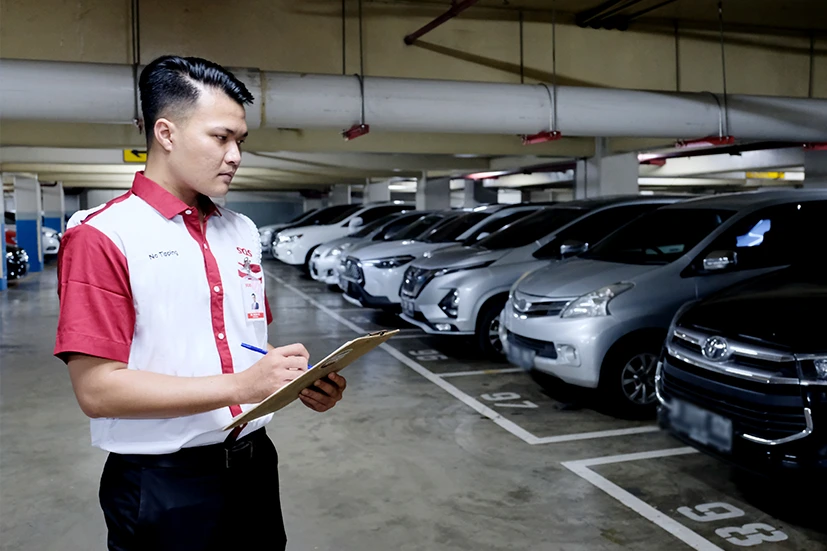
Effective parking management strategies play an essential role in maintaining efficiency, security, and revenue growth for companies. With an organized system, parking areas not only streamline vehicle flow but also reflect the company’s professionalism to users.
Let’s explore how to implement efficient and professional parking management below!
The Importance of Effective Parking Management
A well-organized parking area reflects a company’s professionalism and commitment to user comfort. On the other hand, poorly managed parking can lead to traffic congestion, security risks, and a decline in company reputation.
Here are several reasons why implementing effective parking management is vital:
-
Improves operational efficiency: A structured parking system accelerates vehicle entry and exit without bottlenecks.
-
Ensures vehicle security: Enhanced monitoring minimizes risks of theft and damage.
-
Supports customer and employee satisfaction: A comfortable parking area creates a positive initial experience.
-
Increases revenue potential: Data-based management allows companies to monitor vehicle flow and optimize tariff strategies.
-
Strengthens professional image: A modern parking system serves as a direct reflection of good corporate governance.
Read Also: Hospital Parking SOP Guide for Efficient Operations
Common Challenges in Parking Management
Although parking operations may seem simple, they come with significant complexities. Without proper planning and systems, many companies face recurring daily challenges such as:
1. Limited Parking Space
Not all companies have large enough areas to accommodate user vehicles, especially in dense urban environments.
2. Lack of Monitoring Systems
Many parking areas still rely on manual supervision, which is prone to recording errors and misuse.
3. No Transparent Payment System
Manual parking management often results in revenue loss due to inaccurate recording.
4. Insufficiently Trained Staff
Untrained parking attendants may be slow in managing traffic flow and assisting users.
5. Lack of Data Integration
Without digital systems, it becomes difficult for companies to monitor capacity, daily reports, and parking usage trends in real time.
By understanding these challenges, companies can develop more systematic and results-oriented parking management strategies.
Read Also: 9 Ways to Organize Office Parking Spaces for More Efficiency
How to Implement Effective Parking Management?
To establish a high-performing parking system, companies must adopt a comprehensive approach—from area layout to the use of modern technology:
1. Plan an Efficient Parking Layout
An essential step in effective parking management is designing a functional parking layout. Every space should consider vehicle flow, row spacing, and special zones for disabled users or priority vehicles.
Proper planning minimizes internal congestion and ensures smooth vehicle movement without traffic conflicts.
2. Use Automated, Technology-Based Parking Systems
Technology plays a major role in parking efficiency. Automated parking systems digitally record each entering and exiting vehicle through electronic tickets, sensors, or license plate recognition.
This system enhances data accuracy, speeds up transactions, and reduces human error. Additionally, companies can monitor financial reports and vehicle volume in real time.
3. Recruit and Train Professional Parking Staff
Human resources remain a vital element of parking operations. Competent parking personnel should have strong communication skills, quick response capabilities, and knowledge of safety standards.
Targeted training ensures every staff member performs duties professionally and in accordance with standard operating procedures.
4. Implement Strict Security Procedures
Security measures such as CCTV, adequate lighting, vehicle ID cards, and cashless payment systems help reduce theft risks and incidents.
5. Conduct Regular Monitoring and Evaluation
Routine evaluations are necessary to assess parking system effectiveness. Daily reports on occupancy, revenue, and security incidents should be reviewed for continuous improvement.
Companies that implement regular assessments can quickly detect inefficiencies and adopt innovative solutions.
6. Use Integrated Payment Systems
One key aspect of effective parking management is ensuring transparent transactions. Digital payment methods such as QR codes or prepaid cards help reduce queues and improve financial reporting accuracy.
Beyond efficiency, transparency builds trust between users and parking management.
Read Also: 5 Ways to Improve Parking Lot Efficiency with Outsourcing
7. Partner with Professional Parking Management Companies
If your company does not have a dedicated parking division, partnering with a specialized third-party provider is the ideal solution. Through collaboration with SOS parking management services, you can ensure that parking operations run systematically and efficiently.
SOS Provides Efficient and Secure Automated Parking Solutions!
SOS offers a comprehensive solution through automated parking systems designed to enhance the efficiency and security of your company’s parking operations.
With integrated digital systems and automated parking machines, all parking activities are recorded neatly, transparently, and securely.
Leverage SOS’s expertise as a trusted outsourcing provider in Jakarta to optimize parking management at hospitals, office buildings, and retail centers.
SOS’s professional team is ready to help your company improve efficiency, comfort, and parking security.
Contact us now for a free consultation and discover the best parking solutions tailored to your business needs!
More News

Guide to Choosing the Right Office General Cleaning Service
Looking for a trusted office general cleaning service? Discover tips on choosing the right professional office cleaning service for your company in this article!
Building Maintenance Strategies to Maintain Cleanliness Standards
Professional building maintenance to maintain the cleanliness, safety, and performance of your company facilities. Discover the solution here.

Strategies to Manage Office Building Maintenance Costs Efficiently
Did you know there are smart strategies to manage office building maintenance costs? Not only can you improve efficiency, but you can also keep your office comfortable to use. Learn more here!