
Warehouse Security Audit Stages in Compliance with Regulations
30 January 2026
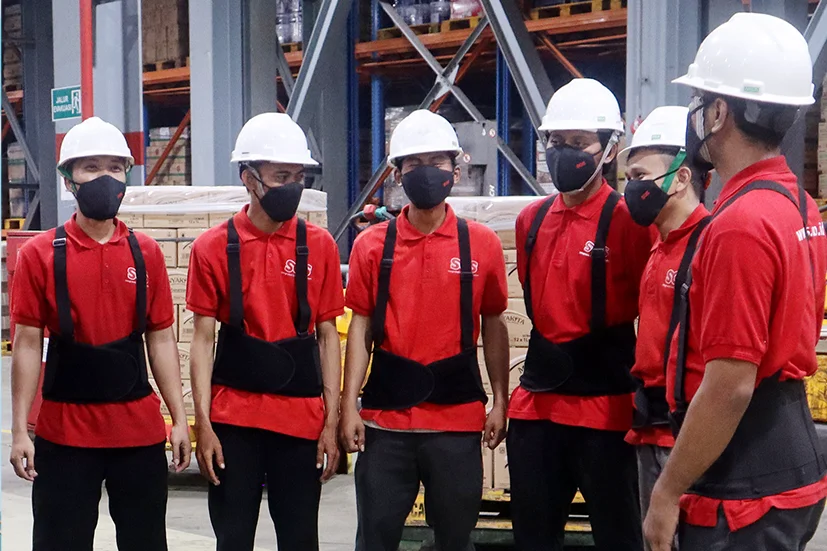
A security audit is a crucial step for companies to ensure that security systems are effective, well-structured, and compliant with applicable regulations.
In warehouse areas, security audits play a vital role in protecting company assets, maintaining smooth distribution processes, and minimizing potential risks that could disrupt operations.
Below are the proper stages of conducting a warehouse security audit!
Why Is a Warehouse Security Audit Important?
Warehouses are among the areas with the highest security risks. High traffic of goods, involvement of multiple employees, and the high value of stored assets require a well-measured security system.
Here are several reasons why warehouse security audits are essential:
1. Protecting Company Assets and Inventory
A warehouse security audit helps identify security gaps that could lead to loss or damage of goods.
Through systematic evaluation, companies can ensure assets are securely stored and accurately recorded.
2. Minimizing Crime and Unauthorized Access Risks
Unauthorized access, internal theft, and sabotage may occur if security systems are not properly monitored. A security audit allows companies to assess the effectiveness of access control and surveillance measures in place.
Read Also: 7 Warehouse Security SOPs to Prevent Theft & Boost Productivity
3. Ensuring Smooth Warehouse Operations
Security disruptions can directly affect distribution and logistics processes. Warehouse security audits help ensure that all activities follow established procedures, keeping operations stable and efficient.
4. Supporting Compliance with Security Audit Regulations
Companies are required to comply with applicable security audit regulations. Regular audits help organizations meet legal standards and avoid potential administrative sanctions.
5. Enhancing Trust from Partners and Stakeholders
A secure warehouse reflects professional corporate governance. This positively impacts the trust of business partners, customers, and other stakeholders.
Key Components of Warehouse Security
Warehouse security does not rely solely on security personnel, but also on an integrated and well-managed system.
The main components include:
1. Warehouse Access Control Systems
Access control systems regulate who is allowed to enter warehouse areas.
A security audit evaluates the effectiveness of access logs, restricted zones, and employee compliance with access procedures.
2. Physical Security and Infrastructure
This includes fences, gates, warehouse doors, lighting, and storage layout.
Security audits ensure physical protections are capable of preventing unauthorized access and supporting optimal monitoring.
3. Surveillance and Monitoring Systems
Monitoring is a critical element of warehouse security. Security audits assess whether surveillance systems operate consistently and support early detection of potential security threats.
4. Operational Procedures and Security Standards
Warehouse security must be supported by clear operational procedures. Audits evaluate whether SOPs align with on-site practices, including incident handling, emergency response, and reporting procedures.
5. Roles of Employees and Security Personnel
Employees and security guards play a crucial role in maintaining warehouse security. Security audits assess discipline, understanding of procedures, and the clarity of assigned responsibilities.
Read Also: Have You Audited Your Company’s Pest Control Program According to Standards? Check It Here!
Stages of Warehouse Security Audit Implementation
To achieve optimal results, companies must understand each stage of the security audit process.
1. Security Audit Planning
This initial stage involves defining audit objectives and scope. Companies identify key risks and tailor the audit to the specific characteristics of the warehouse.
2. Data and Information Collection
Auditors collect data through direct observation, document reviews, and interviews with relevant employees. This process aims to capture the actual security conditions on-site.
3. Evaluation and Analysis of Security Systems
Collected data is analyzed to assess the effectiveness of existing security systems. Auditors compare actual conditions with established standards and applicable security audit regulations.
4. Audit Report Preparation
Evaluation results are compiled into a structured audit report. The report includes findings, risk levels, and actionable recommendations for improvement.
Read Also: 7 Roles of Support Service Workers in Business Operations
5. Follow-Up and Continuous Security Improvement
A warehouse security audit does not end with a report. Companies must follow up on recommendations to continuously enhance security systems.
Beyond warehouses, similar security audit approaches can also be applied to other areas such as factory security audits, creating a comprehensive and integrated corporate security system.
Strengthen Your Company’s Security System with SOS Security Outsourcing
Managing warehouse security effectively requires reliable resources and expertise.
Through security outsourcing, companies can access professional, structured security services tailored to their needs.
SOS provides professional security guard services to create a safe and controlled work environment.
SOS understands the importance of security and the challenges faced by various industries, including warehouses and factories. That is why we offer targeted and customized security solutions.
Entrust your company’s security outsourcing needs to SOS. Contact SOS today and build a professional, reliable, and regulation-compliant security system.
More News

Implementing Security Technology to Protect Your Company
Ensure your company’s assets and workforce are protected with security technology implementation. Discover effective solutions and practical tips in this article!

Don’t Ignore Project Security! Tips to Protect Company Assets
Ensure your company’s project safety with professional project security services. Discover key reasons and effective strategies for maximum protection!

Complete & Latest Security Guard Equipment List
This is a complete and latest security guard equipment list to support company security. Get trusted security guard outsourcing services!