
Pest Control Supermarkets: How to Prevent Pests in Retail Areas
30 March 2026
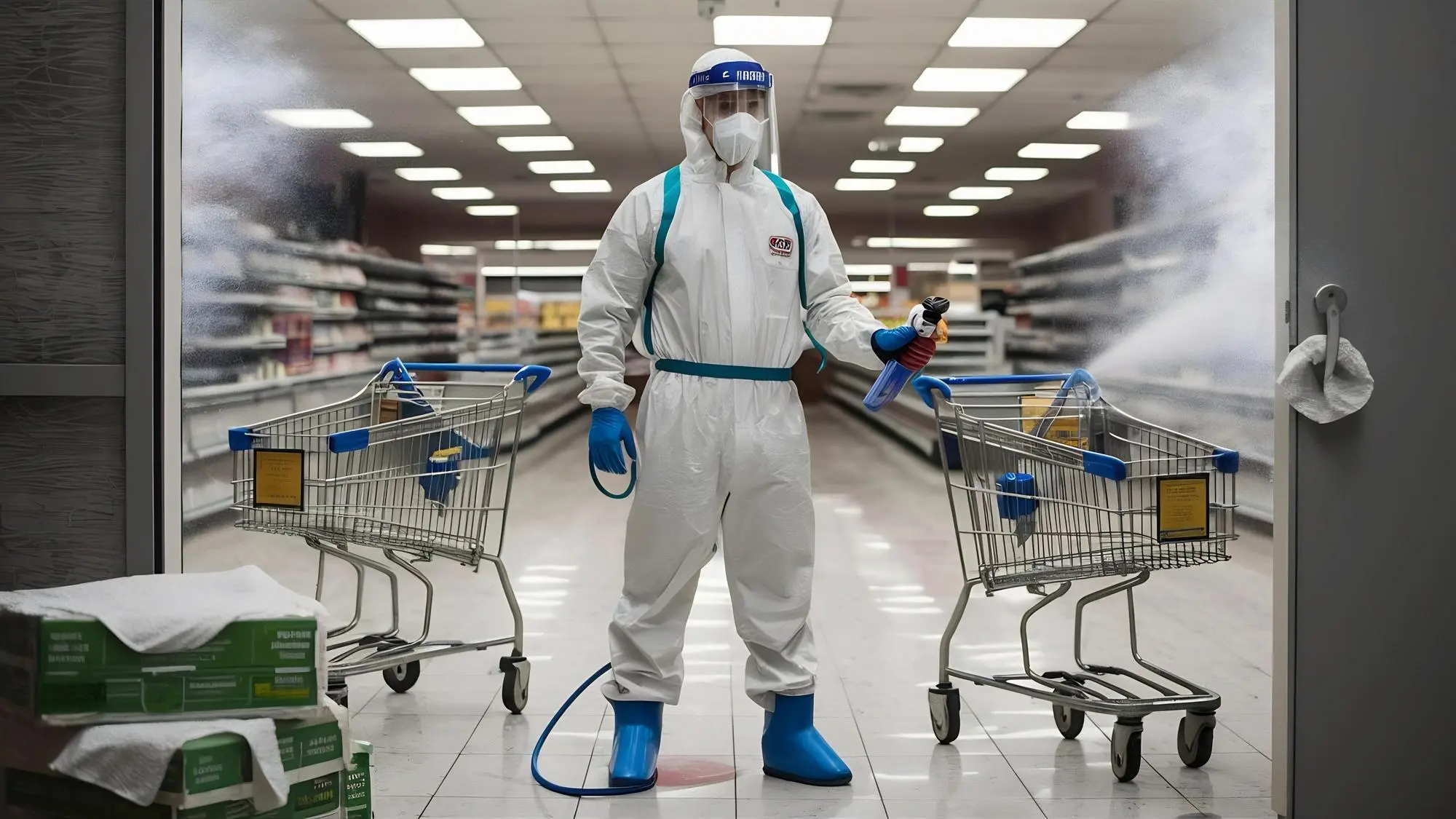
Supermarkets operate with high daily activity, from receiving goods and storing products to direct interaction with customers.
This condition makes retail areas vulnerable to pests such as rodents, cockroaches, and insects that can disrupt cleanliness and product safety.
That’s why implementing pest control for supermarkets is essential to maintain hygiene standards and environmental quality within the store.
To support consistent facility management, many companies also utilize services such as outsourcing in Jakarta, which provide professional staff to maintain cleanliness and operational efficiency in supermarket environments.
Before making a decision, let’s understand how pest control in supermarkets helps manage pest risks effectively!
How Pests Enter Supermarket Areas
Understanding how pests enter is a crucial first step before implementing pest control. This ensures that your investment targets the root cause effectively.
1. Through Loading and Unloading Areas
Loading docks are entry points for goods from multiple suppliers. Without proper supervision, pests like rodents and insects can enter through incoming shipments. Routine inspection and cleanliness are essential.
2. Gaps in Doors and Ventilation
Small gaps in doors, vents, or pipes can become entry points for pests. Rodents, in particular, can squeeze through very small openings. Regular building inspections are key.
3. Drainage and Water Systems
Poorly maintained drainage systems can become breeding grounds for insects and pathways for rodents to reach storage areas. Proper maintenance helps reduce infestation risks.
4. Improper Waste Management
Open waste areas attract pests. Food scraps and damaged products provide easy food sources. Regular waste handling is necessary to prevent infestations.
Read Also: Pest Control Audit: Has Your Company Checked Its Program?
High-Risk Areas in Supermarkets for Pest Infestation
Every supermarket has certain areas that are more vulnerable to pest infestations. By identifying these areas, businesses can implement more effective pest control supermarket strategies.
1. Product Storage Warehouse
Warehouses are used to store large quantities of food products. If not properly managed, they can become hiding places for rodents and insects. Routine inspections are essential to maintain product safety.
2. Fresh Produce Section
Fresh products such as fruits and vegetables can attract flies and other insects. The humidity in this area also supports pest growth. Therefore, maintaining cleanliness in display areas is crucial.
3. Dry Food Shelves
Dry food items like rice, flour, and cereals can attract pantry pests. If packaging is damaged or open, the risk of infestation increases. Product quality monitoring is an important preventive step.
4. Food Court or Kitchen Area
Some supermarkets have ready-to-eat food sections that generate food waste. Without proper sanitation systems, these areas can attract cockroaches and flies. Strict cleanliness management is required.
5. Waste Disposal Area
Trash areas are the most common places that attract pests. Organic waste provides an easily accessible food source. Therefore, garbage bins must be properly covered and cleaned regularly.
Read Also: 6 Most Dangerous Warehouse Pests, Beware!
5 Common Pest Control Methods Used in Supermarkets
In practice, pest control in supermarkets uses several methods to effectively control pest populations. These methods are usually tailored to the type of pest and environmental conditions.
1. Inspection and Pest Identification
Pest control technicians conduct thorough inspections throughout the supermarket. They identify the types of pests present and potential nesting areas. This inspection becomes the foundation for determining the right control strategy.
2. Use of Rodent Bait Stations
Bait stations contain special bait to control rodents. These devices are placed in strategic locations such as warehouses and building utility areas. This method is designed to be safe for the surrounding environment.
3. Insect Spraying
Spraying is commonly used to control crawling insects such as cockroaches. It targets pest pathways and helps reduce insect populations effectively.
4. Insect Trap Monitoring
Insect traps are used to monitor pest activity levels within the supermarket. This helps technicians assess infestation severity and adjust control strategies accordingly.
5. Integrated Pest Management (IPM) Program
The Integrated Pest Management (IPM) approach combines various pest control methods in a comprehensive system.
This strategy includes environmental sanitation, pest monitoring, and ongoing control actions. With a well-planned approach, pest risks can be minimized without relying on a single method.
Read Also: 6 Pest Control Skills to Maintain a Pest-Free Environment
Want More Optimal Supermarket Cleanliness Management? Use SOS Services
Pest control in supermarkets does not rely solely on pest control methods. Environmental cleanliness, facility management, and operational supervision also play important roles in preventing pest infestations.
When supermarket areas are consistently maintained, the risk of pest infestations can be significantly reduced.
Through SOS cleaning outsourcing services, companies can gain access to professional staff who help maintain supermarket areas to remain clean, organized, and compliant with operational standards.
A structured cleaning management system helps ensure product safety while also enhancing customer comfort during shopping.
If you want to ensure your supermarket environment remains hygienic and operations run more efficiently, now is the time to consider SOS cleaning outsourcing services.
Contact SOS today and discover how professional workforce support can help keep your supermarket clean, safe, and comfortable for customers!
More News
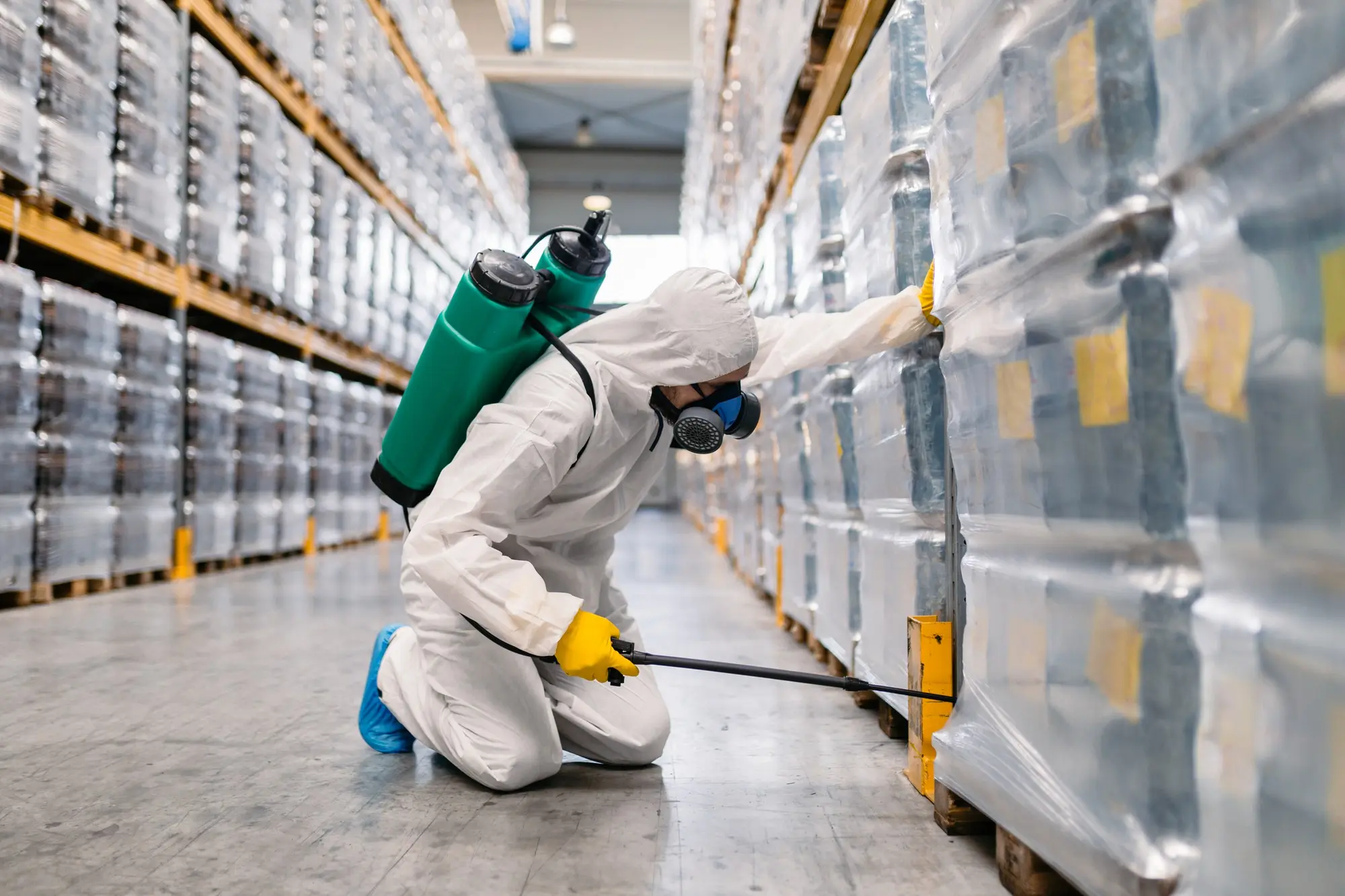
Warehouse Pest Control to Maintain Product Safety
Is warehouse pest control still necessary? If you want to keep your facility clean from disease-carrying pests, make sure your strategy is right. Learn more here!
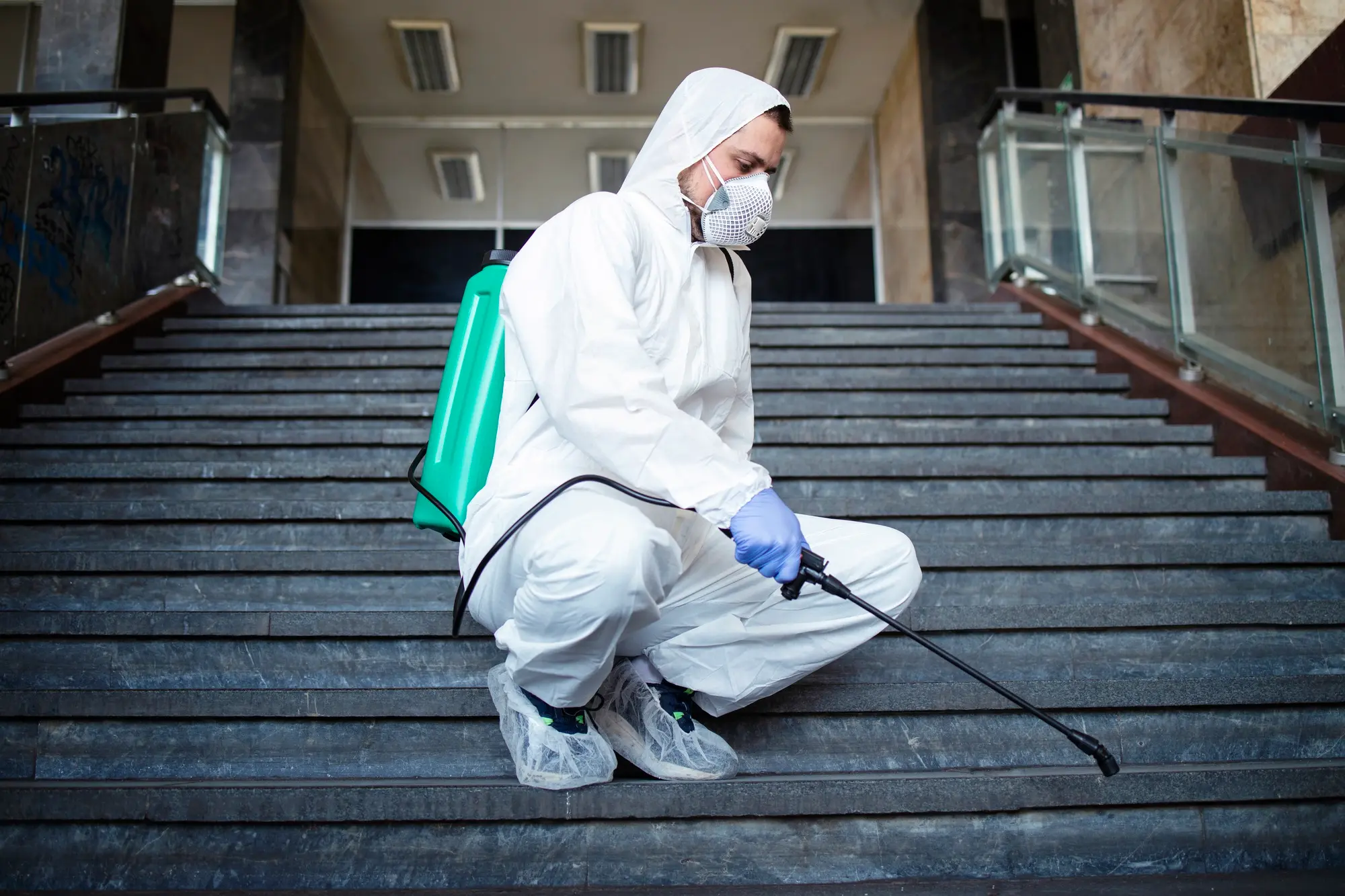
What Are the Strategies for Mall Pest Control to Maintain Cleanliness?
No place is completely free from pests, including malls. So what mall pest control strategies are needed to ensure visitors feel comfortable? Read here!

Hotel Pest Control Services: What Pests Can They Handle?
Learn the importance of hotel pest control to maintain cleanliness and guest comfort. Discover pest control services and prevention strategies here.