
Workforce Management Strategies Using Labor Outsourcing
26 March 2026
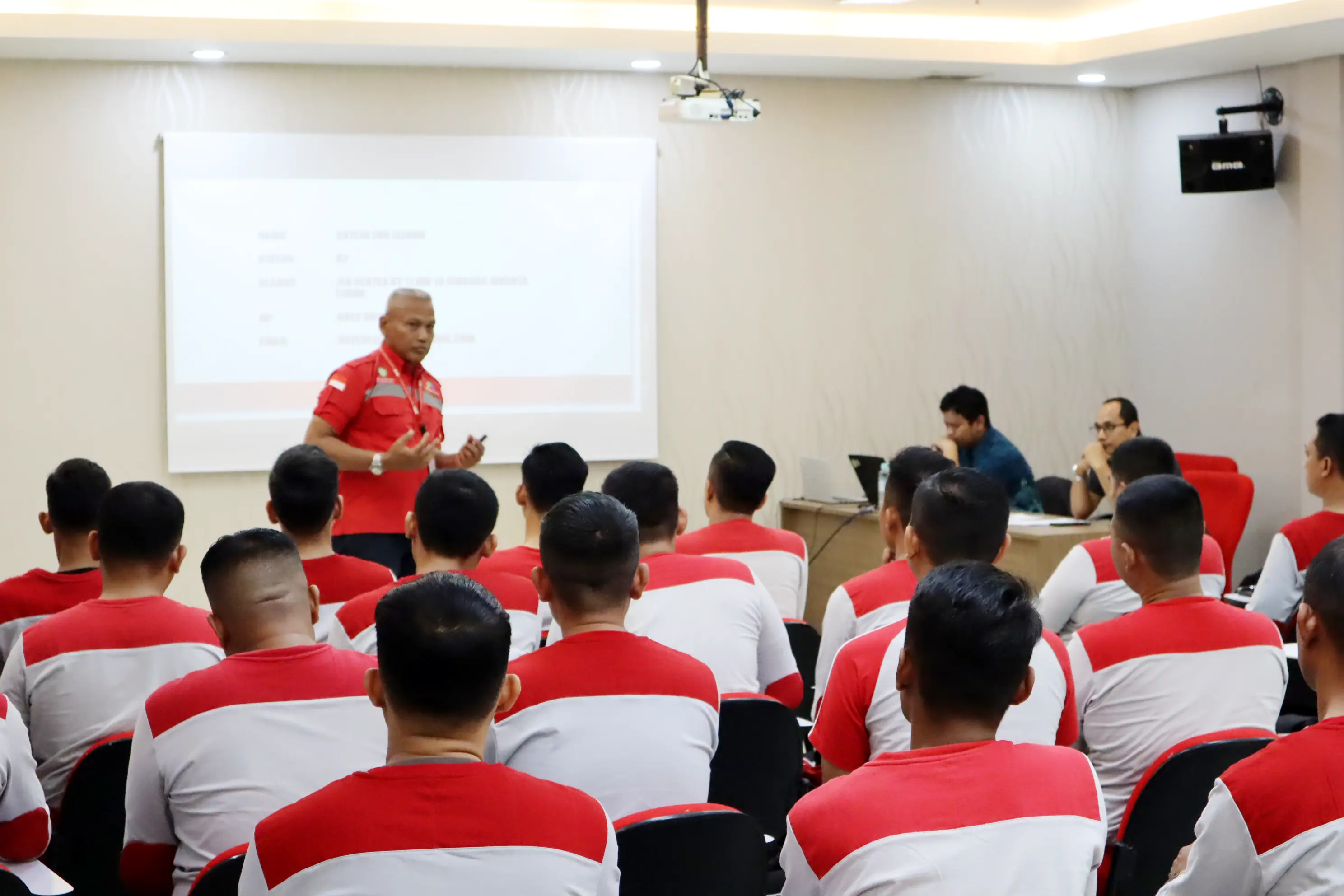
Managing a large number of employees in company operations can be a significant challenge. From recruitment and training to scheduling and performance supervision, these processes require considerable time and resources.
That is why many companies are turning to labor outsourcing as a solution to maintain operational efficiency without increasing the burden on internal management.
If you want to understand how this strategy can help companies manage their workforce more effectively, read the full explanation below—including how outsourcing services in Jakarta can support your operational needs.
Is Separate Workforce Management Needed for Outsourced Employees?
In many cases, companies do not need to build a separate workforce management system for outsourced employees.
Labor outsourcing providers generally already have their own management systems covering recruitment, training, scheduling, and performance monitoring.
This allows companies to stay focused on core business activities while operational workforce management is handled by experienced outsourcing partners.
Read Also: Complete Checklist for Choosing the Right Official Workforce Provider for Your Company
The Role of Outsourcing in Improving Operational Efficiency
Outsourcing not only helps companies fulfill operational workforce needs but also enhances efficiency across various aspects of workforce management.
With proper implementation, this strategy enables companies to run operations in a more structured and measurable way.
1. Reducing HR Administrative Burden
Managing employees directly involves numerous administrative processes such as employment contracts, payroll, and attendance management. With outsourcing, most of these processes are handled by the service provider, reducing internal administrative workload and allowing management to focus on business development.
2. Accelerating Workforce Fulfillment
In dynamic operational conditions, companies often need additional workers in a short time. Outsourcing enables companies to quickly access ready-to-deploy personnel, ensuring operational continuity without long recruitment processes.
3. Increasing Operational Flexibility
Some industries experience fluctuating workforce needs depending on workload volume. Outsourcing allows companies to adjust the number of employees more flexibly, helping optimize resource management.
4. Optimizing Employee Productivity
Outsourcing providers typically conduct regular training and performance monitoring. This ensures that each assigned worker has the appropriate competencies, helping maintain stable operational productivity.
5. Reducing Workforce Management Risks
Workforce management is closely tied to labor regulations. Using outsourcing services helps companies minimize administrative and legal compliance risks.
Read Also: Understanding Labor Outsourcing Regulations in Indonesia
Strategies to Optimize Workforce Management with Labor Outsourcing
To maximize the benefits of outsourcing, companies need to implement the right management strategies. Here are several approaches to optimize workforce management through outsourcing.
1. Clearly Define Workforce Needs
First, identify which roles are most effectively managed through outsourcing.
Operational roles such as security, cleaning, or facility services are commonly outsourced. Proper planning ensures optimal workforce allocation.
2. Choose an Experienced Outsourcing Provider
Not all outsourcing providers offer the same level of management quality. It is essential to choose a partner with proven experience, clear management systems, and a strong industry reputation.
3. Establish Structured Operational Communication
Collaboration between the company and outsourcing provider should be supported by clear communication. Regular meetings or performance reports help ensure outsourced employees meet company standards.
4. Set Measurable Performance Standards
Companies should establish clear performance indicators for outsourced workers. Measurable standards allow objective evaluation and continuous improvement of service quality.
5. Integrate Work Reporting Systems
Integrated reporting systems help companies monitor operational activities transparently. This data can also support better decision-making in future workforce management.
6. Conduct Regular Performance Evaluations
Periodic evaluations ensure outsourced employees meet expectations. They also provide opportunities to improve operational efficiency continuously.
7. Develop Long-Term Collaboration
Sustainable partnerships between companies and outsourcing providers can enhance operational quality. Long-term collaboration allows providers to better understand company needs and deliver more tailored services.
Read Also: Internal vs External Recruitment: Which Is More Effective?
It’s Time to Manage Your Workforce More Efficiently with SOS!
Managing a large workforce requires the right strategy to ensure operations run optimally.
Through labor outsourcing, companies can improve efficiency, reduce administrative burdens, and ensure workforce needs are met professionally.
If you want to optimize workforce management with a more effective solution, using outsourcing services from SOS can be a strategic move.
With experience in providing workforce solutions across various industries, SOS helps companies manage operations more efficiently and systematically.
Contact SOS today to get the right labor outsourcing solution for your business needs!
More News

6 Hotel Outsourcing Services for Smooth Operations
Learn about hotel outsourcing services to support more efficient hospitality operations, from housekeeping to hotel security. Read more here!

Managing Office Operations More Efficiently with Office Boy Outsourcing
Struggling with messy operations? Improve efficiency with SOS office boy outsourcing services! Want to learn more? Read here!

Can Cleaning Outsourcing Reduce Operational Burden?
The risk of virus spread in offices cannot be underestimated. Can cleaning outsourcing help? Understand it here before making a decision!