
How Does Labor Outsourcing Work in Companies?
26 March 2026
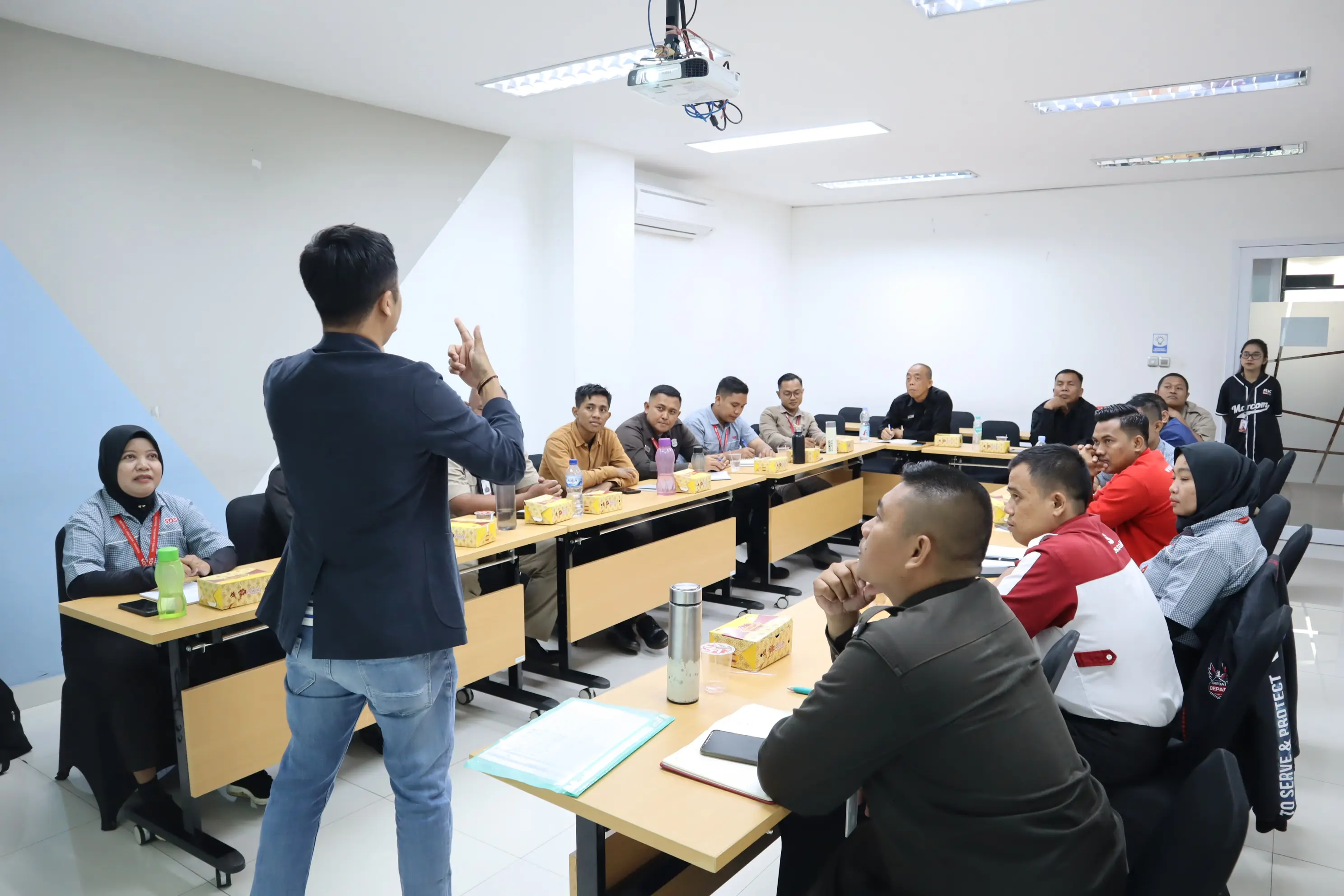
Managing a workforce is often a challenge for companies aiming to maintain operational efficiency.
From recruitment and administration to employee supervision, these processes require significant time and resources.
That’s why understanding how outsourcing works can help companies find more effective workforce management solutions, including through outsourcing services in Jakarta.
Let’s explore the full explanation below!
How Labor Outsourcing Works and Its Implementation Process
In general, outsourcing involves collaboration between a client company and an outsourcing vendor that provides workforce solutions based on operational needs.
This process goes beyond employee placement—it also includes workforce planning and performance management in the field.
1. Identifying Workforce Needs
The first step begins with analyzing the company’s operational requirements. Companies determine which roles or tasks are more effectively handled through outsourcing.
With clear identification, companies can ensure the number and competencies of employees align with operational needs.
2. Selecting an Outsourcing Vendor
Once workforce needs are defined, the company selects an outsourcing vendor with experience and professional workforce management systems.
The vendor is responsible for providing employees who meet the required job criteria. Choosing the right partner is a key factor in successful outsourcing implementation.
3. Recruitment and Selection Process
Unlike internal hiring systems, the recruitment process is typically handled by the outsourcing vendor.
The vendor screens candidates, conducts interviews, and ensures that employees have the appropriate competencies. This allows companies to obtain job-ready personnel.
4. Employee Placement and Training
After the selection process is complete, employees are assigned according to operational needs. Some vendors also provide initial training to ensure employees understand their roles and work standards. This approach helps maintain service quality.
5. Supervision and Performance Evaluation
The final stage involves monitoring and evaluating employee performance. Outsourcing vendors usually have supervisors or reporting systems to oversee employee activities.
With structured supervision, companies can ensure operations run according to standards.
Read Also: Internal vs External Recruitment: Which Is More Effective?
The Role of Companies and Vendors in Outsourcing Systems
For outsourcing to work effectively, both the company and the outsourcing vendor have distinct yet complementary roles. This collaboration is essential to ensure smooth operations.
1. The Company Defines Operational Needs
The company is responsible for determining workforce requirements, work standards, and operational targets. This information serves as the foundation for the outsourcing vendor to provide suitable employees.
2. The Outsourcing Vendor Manages the Workforce
The vendor handles employment administration, from recruitment to workforce management. With this system, companies do not need to manage all aspects of workforce administration directly.
3. Operational Coordination Between Company and Vendor
To ensure optimal performance, regular coordination between the company and vendor is essential. Clear communication helps ensure employees understand their responsibilities and operational standards.
4. Joint Performance Monitoring
Performance monitoring is not solely the vendor’s responsibility. Companies also play a role in providing feedback on employee performance, enabling objective evaluation and continuous improvement.
Read Also: Understanding Wage Protection for Outsourced Workers
Factors That Influence the Success of Outsourcing Systems
Although labor outsourcing offers various advantages, its success depends on several key factors. Companies should pay attention to the following aspects:
1. Choosing a Professional Vendor
An experienced outsourcing vendor with strong management systems can help companies operate more effectively. Reputation and track record are crucial considerations before establishing a partnership.
2. Clear Operational Standards
Companies need to define clear operational standards for outsourced employees. Structured guidelines ensure employees perform their duties consistently.
3. Open Communication
Communication between the company and the outsourcing vendor must be well-maintained. Information regarding operational changes or performance evaluations should be conveyed transparently.
4. Regular Evaluation System
Periodic performance evaluations help ensure work quality is maintained. This process also helps identify areas for improvement in workforce management.
Read Also: Understanding Workforce Outsourcing and Its Strategic Value for Your Company
It’s Time to Optimize Workforce Management with SOS Outsourcing Services!
Understanding how outsourcing works helps companies see how this system can support operational efficiency.
When managed properly, outsourcing not only fulfills workforce needs but also allows companies to focus on developing their core business.
If your company wants to optimize workforce management professionally, using outsourcing services from SOS can be the right solution.
With extensive experience in providing workforce solutions across various industries, SOS helps companies gain access to trained employees and structured management systems.
Contact SOS today to find the right outsourcing solution for your business operations!
More News

6 Hotel Outsourcing Services for Smooth Operations
Learn about hotel outsourcing services to support more efficient hospitality operations, from housekeeping to hotel security. Read more here!

Managing Office Operations More Efficiently with Office Boy Outsourcing
Struggling with messy operations? Improve efficiency with SOS office boy outsourcing services! Want to learn more? Read here!

Can Cleaning Outsourcing Reduce Operational Burden?
The risk of virus spread in offices cannot be underestimated. Can cleaning outsourcing help? Understand it here before making a decision!